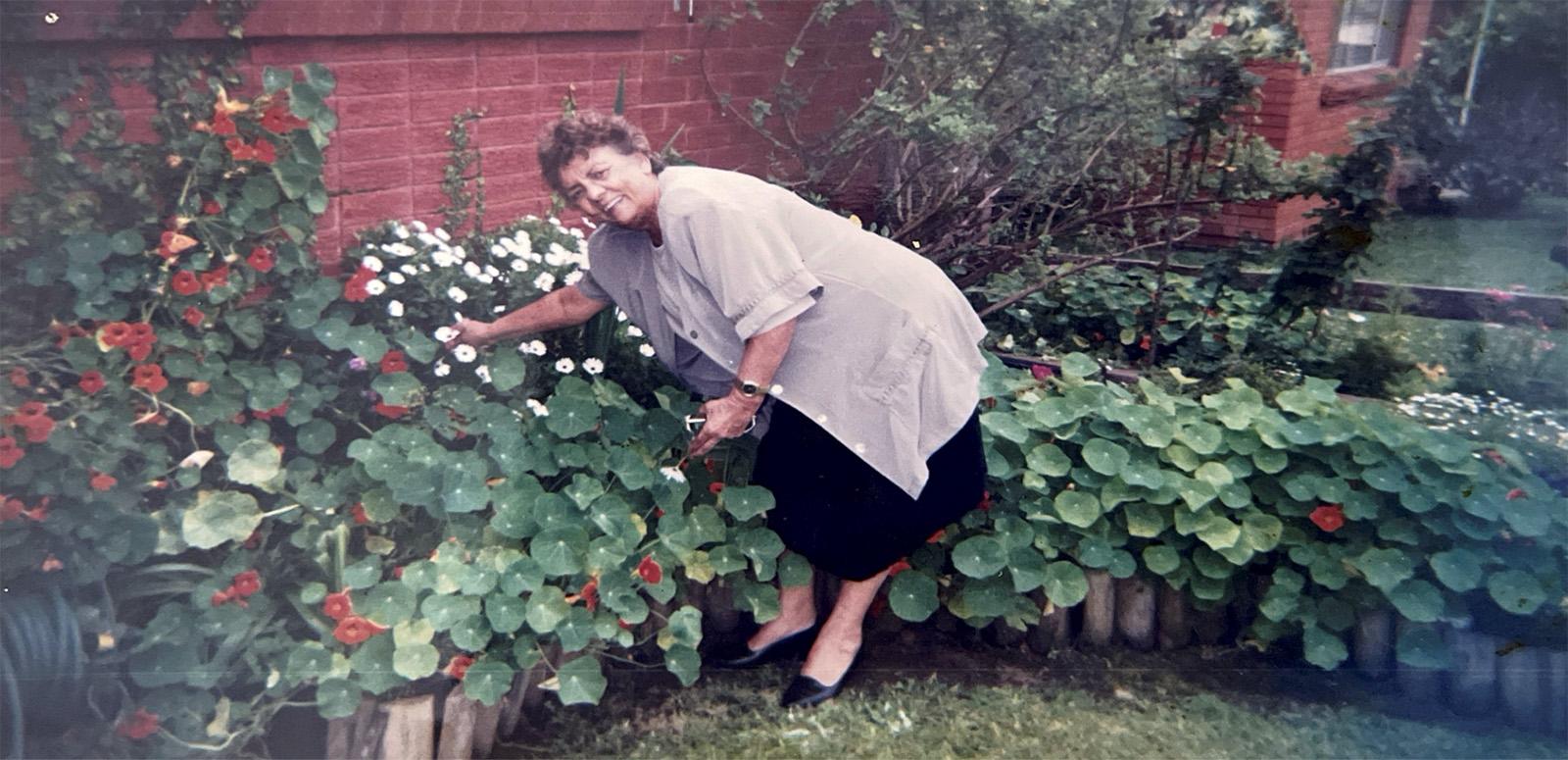
Aunty Pansy Hickey in her Garden at Cawarra Womens Refuge
https://www.nfsa.gov.au/sites/default/files/2026-02/Aunty%20Pansy%20Hickey%20in%20her%20Garden%20at%20Cawarra%20Womens%20Refuge_header.jpg

An Indigenous Perspective on the National Apology

BY
 George Coles

Aboriginal and Torres Strait Islander viewers are advised that this article contains names, images and audio of deceased persons.

George Coles is a Wonnarua woman from the Hunter Valley region and the First Nations Engagement Project Coordinator at NFSA. 
 

When I was 12 years old, I went to visit my grandmother. It was 2008, and she had not long returned from attending the National Apology ceremony at Parliament House on 13 February. I didn’t think much of it, Nan always had some involvement in politics; Pansy Hickey after all, was a trailblazer for our Community

She was the founder of  Cawarra Aboriginal Women's Refuge, a Regional Representative for the Aboriginal and Torres Strait Islander Commission, Elder for Wonnarua, a Community Elder for Redfern, and worked tirelessly to ensure Indigenous people had access to medical and legal services, home care and welfare.

So, I didn’t think too deeply about sitting at my Nan’s dining table, hearing about her time in Canberra, but beside me was an 80-year-old woman who had finally received some semblance of closure, and who wanted to make sure the next generation didn’t take that for granted. It was over a cup of tea that I understood for the first time what accountability meant to the people affected. 

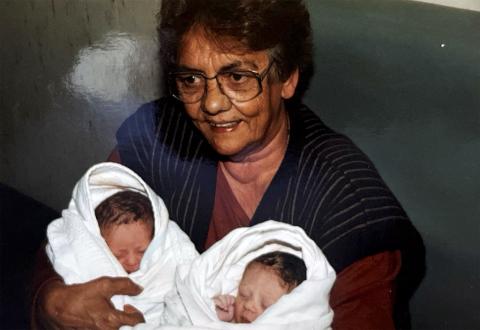
Aunty Pansy Hickey Holding her Grandchildren
https://www.nfsa.gov.au/sites/default/files/2026-02/Aunty%20Pansy%20Hickey%20Holding%20her%20Grandchildren_final.jpg
Aunty Pansy Hickey, holding her grandchildren George and Maddison Coles. Courtesy: George Coles

Growing up, I spent a lot of time with my Nan, and looking back, some of the games we played had a hidden meaning you can only understand when you’re older. My favourite was Nan’s special take on Hide and Seek – where she would see if we could fit in a suitcase. For years, as we got older and bigger, she would keep checking to see if we fit in her suitcase. 

Nan told me that when her friends started disappearing from school, her mother had hidden her in a suitcase and took her to camp down by the river. Suddenly, I understood the relief I saw when she could close the lid, and the concern she tried to hide when I outgrew it. 

Trauma is its own language, and it knows how to tell a story across generations. It impacts the way you see the world, and how you pass that world view on to those you need to protect. 

You can see in this clip from 13 February 2008, when Prime Minister Kevin Rudd apologised for the 'inflicted profound grief, suffering and loss … especially for the removal of Aboriginal and Torres Strait Islander children from their families, their Communities and their Country', he wasn’t just speaking to a room of politicians. He was speaking to all those families who practised Hide and Seek with their children and grandchildren. 

Excerpt from The Apology to the Stolen Generations (Sarah Spillane, 2008). Produced by Indigenous Film Services for Reconciliation Australia.

It’s important we don’t forget what that means and what that accountability looks like. To my Nan, the National Apology was a big step forward; it acknowledged not just the pain our community have faced, but the work still to do. Today we remember the National Apology as a pivotal moment for a lot of our families: when the Government apologised for laws and legislation that not only led to the Stolen Generations, but to the games we invented to instil lessons we hoped our children would never have to understand. 

So, when someone asks you about why it's necessary we acknowledge the Anniversary of the National Apology to Indigenous People, I hope you can sit with them and have a cuppa. I hope you can take some time to explain to them why it matters or show them this clip from The Apology to the Stolen Generations (2008) where you can see clearly just how many people this moment touched and what it meant to them. It’s hard but honest conversations that keep us moving forward when there’s so much more work to do to.  


With a background in filmmaking, multimedia art and podcasting, George's focus has always been on how she can inspire hope and resilience in her people. Her recent roles include First Nations Archive Consultant for Unofficial History, Researcher for the documentary feature The Colleano Heart, Co-Creator of the multi-Webby Award-winning podcast Diversity Work, and Project Manager for Community-led Projects. 

But most importantly to George, she is the granddaughter of Aunty Pansy Hickey. 


Looking for more? 


Main image: Aunty Pansy Hickey in her garden out the front of Cawarra Women’s Refuge. Courtesy: George Coles