


All the Voices: 1970s to now
Chapter 4

Underrepresented voices are finally given a platform on the airwaves and create connection and community with every radio broadcast. A 12-week experiment by Gough Whitlam's government for multilingual radio is so successful it paves the way for SBS Audio. Gaywaves on 2SER becomes Sydney’s first gay and lesbian radio program when it goes to air in November 1979, a time when homosexuality was still illegal for men in NSW. Groundbreaking First Nations program Radio Redfern begins in 1981, followed by the first fully-run First Nations radio station CAAMA in 1982. And youth stations Double J and FBi Radio unearth new talent: both broadcasters and musicians. Audiences suddenly have so much choice – and this is only the beginning.
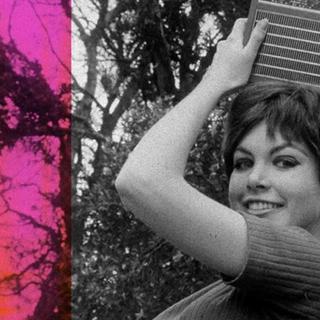
Image: Gaywaves collective members Vicki Dunne, Prue Borthwick and Dietmar Hollman, 1985
 Radio 100: 100 years in 100 daysLet's Get Digital: 1990s to now
 Chapter 1New Waves: 1923 to 1935
 Chapter 2Golden Days: 1920s to 1960s
 Chapter 3Youthquake: 1950s to 1980s
 Chapter 4All the Voices: 1970s to now
 Return to Radio 100Radio 100
Warning: this page contains names, images or voices of deceased Aboriginal and Torres Strait Islander people.

Read: All the voices: finding community through radio
For many Australians, hearing their own stories and music on air was a powerful shift.
All the Voices radio posters and ephemera
As radio started reflecting the diversity of Australian voices, it wasn't long until the artwork caught up too. From the 1980s, radio posters illustrated the range of languages and broadcasters on the air.


Episode 5
Voices Carry
Radio has always been great at bringing people together. But while the earliest programming was designed to get everyone listening over time, radio also created places for communities to hold their own conversations. From the early days of pirate radio to the rise of licensed community broadcasters, community radio has had an invaluable impact on Australian society. In Episode 5 of Who Listens to the Radio? we explore how community radio has served as a pivotal lifeline for minority groups and communities.
Diverse voices on the air
From the 1970s onwards, pioneering community and other broadcasters contribute to First Nations, LGBTQIA+, women and multilingual speakers hearing more of their voices on air.
Listen to clips of Rhoda Roberts discussing racism in sport with Nicky Winmar, interviewing Deborah Mailman about auditioning for The Secret Life of Us, and talking with Archie Roach about his song 'F Troop'.
Deadly Sounds
From the 1970s onwards, pioneering community and other broadcasters contribute to First Nations, LGBTQIA+, women and multilingual speakers hearing more of their voices on air.
Deadly Sounds was a weekly one-hour First Nations Australian radio program hosted by journalist, actor and author Rhoda Roberts and heard on 200 stations. The program ran for 21 years and in the opening episode from 1993, Roberts emphasised that the show was centred around 'our music, made by our people'.
Listen to clips of Rhoda Roberts discussing racism in sport with Nicky Winmar, interviewing Deborah Mailman about auditioning for The Secret Life of Us, and talking with Archie Roach about his song 'F Troop'.


In 1983, Midnight Oil lead singer Peter Garrett spoke at the Australian Broadcasting Tribunal Inquiry to praise the support community radio gives Australian music artists not deemed ‘commercial’ enough.
Community radio typically plays a wider range of genres than commercial stations and can give independent artists a chance to be heard.
In 1983, Midnight Oil lead singer Peter Garrett spoke at the Australian Broadcasting Tribunal Inquiry to praise the support community radio gives Australian music artists not deemed ‘commercial’ enough.

Radio Redfern was a program dedicated to Sydney’s Aboriginal community in the 1980s. During the bicentennial protests on 26 January 1988, it was an important source of information regarding the marches occurring in Sydney.
Radio Redfern in Sydney played a pivotal role in the national bicentennial protests on 26 January 1988.
Radio Redfern was a program dedicated to Sydney’s Aboriginal community in the 1980s. During the bicentennial protests on 26 January 1988, it was an important source of information regarding the marches occurring in Sydney.

In November 1979, a time when homosexual acts between men were illegal in NSW, Gaywaves went to air and offered connection, community and critical information.
Gaywaves began in 1979, covering everything from police raids to AIDS vigils to Doris Day.
In November 1979, a time when homosexual acts between men were illegal in NSW, Gaywaves went to air and offered connection, community and critical information.

Originally set up to explain Medibank (now Medicare) to immigrants in their first language, SBS Audio has grown to provide news, music and talk to over 60 language communities. But in its earliest days, announcers paid for their own records to play on air.
An experiment to explain Medicare to immigrants in their first language succeeded and paved the way for SBS Audio.
Originally set up to explain Medibank (now Medicare) to immigrants in their first language, SBS Audio has grown to provide news, music and talk to over 60 language communities. But in its earliest days, announcers paid for their own records to play on air.
'It was really exciting when FBi was awarded the licence. It was such a specific licence as well, which was – this is going to be a youth station. Run by young people for young people. It was very clear what the goal was from day one.'
— Lorna Clarkson
Interview with curator Crispian Winsor
All the Voices curator Crispian Winsor shares some of the important developments in radio since the 1970s that have led to a better representation of Australian voices on air.
He discusses the power of community radio in giving people a platform, like Melbourne’s 3CR presenting live broadcasts at Victorian prisons.
Community was also a training ground for future radio stars, including 2SER's Richard Kingsmill, who presented Money, Not Harmony, a four-part series on the state of the Australian music industry in 1988.
Crispian also shares the items in the All the Voices collection that mean the most to him.


All the Voices tech inspection
As Australian radio evolved and diversified, so did the tech. Some will still remember waking up to a digital clock radio, taping directly off air, or switching their Walkman between AM, FM and cassette. This was tech in a transitory time before the switch to smartphones and digital.


'When I moved to Brisbane aged 17… I started volunteering for the 4ZZZ Queer Radio show. The host, John Frame, told me about listeners who would drive for ages just so they could get reception to hear queer people sharing their stories… and that felt like a huge responsibility and honour.'
— Benjamin Law

Rewind and rediscover.
Enjoy surprising and moving moments from Australia’s screen and sound history with In Focus – delivered straight to your inbox every month.