To celebrate the screening of feminist films from the 1970s and 80s at the Sydney Film Festival in June we explore the history of feminist filmmaking in Australia.
Breaking the mould
In 1968 the federal government announced funding for an Experimental Film Fund. This change embraced a broader film industry that could go beyond the government documentaries, TV and commercials that had dominated previous Australian output.

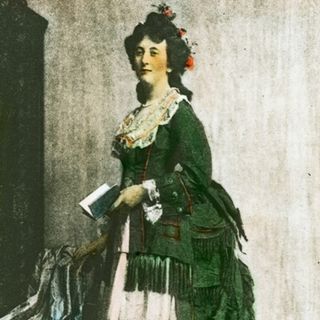
A still from Jeni Thornley's 1978 film Maidens. NFSA title: 17084.
Events such as the Women’s Liberation Conference in Melbourne in 1970 stimulated discussions about how film could present the issues of the feminist movement and help to redress the lack of a documented presence of the history of women and their contributions.
In 1975, during International Women's Year, the government allocated significant funds to women’s filmmaking. This included a portion for the establishment in 1976 of the Australian Film Commission's Women’s Film Fund.
Women telling women's stories
These funding initiatives, paired with a growing feminist movement, saw the establishment of film cooperatives such as the Sydney Women’s Film Group (SWFG) and Reel Women in Melbourne. A number of filmmakers, including Jeni Thornley, Sarah Gibson, Susan Lambert, Martha Ansara, Margot Nash and Megan McMurchy, seized the opportunities available. The groups came together with the intention of creating stories that examined the role of women within society and explored consciousness-raising ideas. Subjects ranged from the role of women in the workforce and at home to social reform and the objectification of the female body by the media.