Desert Tracks: Cleaning up the land
1997
Desert Tracks: Cleaning up the land
1997
- NFSA IDHVJGND6R
- TypeTelevision
- MediumMoving Image
- FormSeries
- Duration30 mins
- GenresIndigenous themes or stories, Indigenous as subject
- Year1997
- WARNING: Aboriginal and Torres Strait Islander viewers are advised that the following program may contain images and/or audio of deceased persons
An elder speaks about the effects of tourism, and the responsibility of cleaning up the land. Summary by Romaine Moreton.
- WARNING: Aboriginal and Torres Strait Islander viewers are advised that the following program may contain images and/or audio of deceased persons
An elder speaks about the effects of tourism, and the responsibility of cleaning up the land. Summary by Romaine Moreton.
- NFSA IDHVJGND6R
- TypeTelevision
- MediumMoving Image
- FormSeries
- Duration30 mins
- GenresIndigenous themes or stories, Indigenous as subject
- Year1997
- Production companyCAAMA ProductionsProducerDavid JowseyDirectorDavid Jowsey
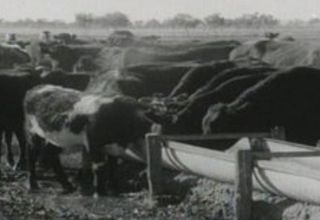
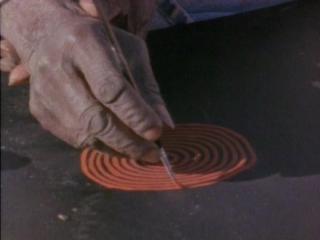
An Aboriginal man talks about his country. Footage of him speaking is intercut with footage of a large mob of cattle being mustered, Aboriginal artists making artefacts for tourists and images of the landscape.
Aboriginal elder (Speaks in Pitjantjatjara) We have dreamings about foods and how we use them. We have many dreamings about places and how they were created. How many things came to be, like rock-holes and creeks. Cattle are a problem, they come and eat all the grass and they leave our country bare! If we fence the area it would be restored, good for tourists to see. We would not hunt in this area, we would go further away to hunt. It is hard for me, my movement is restricted by my two jobs. I find it very hard to be with the tourists all the time. Another thing is that our country is hard to clean up, there is so much rubbish. I see the rubbish and tell the others but they don’t understand. If there is work for us we will do the job. If we know the tourists are coming we get ready for them. Maybe there is work for us to clean up this country. That is a big problem for us because we have no vehicles.
Desert Tracks is a good introduction to the philosophy of Indigenous people, and how total dependency upon land inspired a way of living that was also respectful. The land is spoken of in Desert Tracks as being alive, and in need of care.
Desert Tracks synopsis
A film that speaks about the Pitjantjatjara people’s efforts to preserve vital cultural information in order to care for land by turning to tourism.
Desert Tracks curator's notes
Desert Tracks documents the Pitjantjatjara people’s desire to retain their traditional culture. 'Desert Tracks’, a business initiated without government funding, is a community’s attempt to sustain itself culturally, and is an important initiative in the context of self-determination.
Episodic in structure, Desert Tracks is a great promotion for a community-driven initiative to achieve the cultural preservation of the Pitjantjatjara people. A genuine love of land, and the kindred relationship to it, is woven through this documentary, and the need to communicate the importance of land to tourists is done with patience and tenderness. The responsibility of caring for land is central to the business initiative undertaken by the Pitjantjatjara people, and to have this cultural perspective effectively communicated to and received by tourists is all part of the work of the Pitjantjatjara custodians. The outcome intended is that all folk share a common respect for the land and value the ecology equally.
Notes by Romaine Moreton
Education notes
This clip shows an Aboriginal Elder speaking in Pitjantjatjara accompanied by English subtitles. He talks about Dreamings of bush foods and of places such as rock holes and creeks, and how they were created. There is footage of a large mob of cattle being mustered. He explains that cattle pose a problem for the land and as a consequence the land is bare. He says that the Anangu would like to fence and restore the land, but without a vehicle such work is very difficult. Aboriginal artists are also shown making artefacts for tourists.
Educational value points
- Desert Tracks is a tourism business owned and operated by the Pitjantjatjara and Yankunytjatjara peoples. Tourism offers some Indigenous people the potential for employment and the opportunity to maintain cultural traditions while operating a viable business. However, the Elder in the clip talks about tensions between the benefits and the negative effects of tourism.
- Land management is a major issue for Aboriginal peoples in the Northern Territory who have regained some of their traditional lands. Some of these lands were previously held as pastoral leases and the soil has been degraded by the hard hooves of cattle compacting and damaging the soil, causing erosion.
- The Pitjantjatjara are the custodians of the country shown in this clip. Connection with the land or country is important to Aboriginal peoples. The land is regarded as a whole environment that sustains and is sustained by the people. The land shown is in the north-west of South Australia and includes a number of pastoral leases.
Education Notes provided by The Learning Federation and Education Services Australia
Need to license this item? A/V professionals and researchers can shortlist licensing enquiries via our NFSA Pro catalogue search and membership.
Collections to explore

First Nations

CAAMA


LGBTQIA+
Start your own collection
A free Your Stuff account allows you to save, organise and share your favourite videos, audio and stories.


