5 Seasons: Barra - rains coming
2004
5 Seasons: Barra - rains coming
2004
- NFSA IDRV6KG7C7
- TypeTelevision
- MediumMoving Image
- FormDocumentary
- Duration50 mins, 48 secs
- GenresIndigenous themes or stories, Indigenous as subject
- Year2004
- WARNING: Aboriginal and Torres Strait Islander viewers are advised that the following program may contain images and/or audio of deceased persons
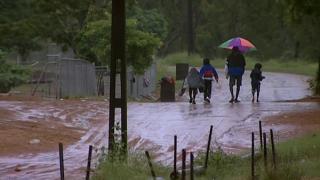
Rain falls heavily, the streets of the community are quiet, and Moses sits drinking tea on the porch of a house in the community of Numbulwar, Wandu, where he is from, has been flooded in. The country is coming alive with the arrival of the rain; birds walking on lily fronds stoop for prey in the forming lakes. Moses teaches children about blackberry or yardagaga, which goes from green, then red and then to black or Dudumah, and that’s when ‘… we know it’s cooked.’ Moses holds a flower that is called woodugu which tells the custodians 'that stingrays, sharks and everything have got fat’. Summary by Romaine Moreton.
- WARNING: Aboriginal and Torres Strait Islander viewers are advised that the following program may contain images and/or audio of deceased persons
Rain falls heavily, the streets of the community are quiet, and Moses sits drinking tea on the porch of a house in the community of Numbulwar, Wandu, where he is from, has been flooded in. The country is coming alive with the arrival of the rain; birds walking on lily fronds stoop for prey in the forming lakes. Moses teaches children about blackberry or yardagaga, which goes from green, then red and then to black or Dudumah, and that’s when ‘… we know it’s cooked.’ Moses holds a flower that is called woodugu which tells the custodians 'that stingrays, sharks and everything have got fat’. Summary by Romaine Moreton.
- NFSA IDRV6KG7C7
- TypeTelevision
- MediumMoving Image
- FormDocumentary
- Duration50 mins, 48 secs
- GenresIndigenous themes or stories, Indigenous as subject
- Year2004
- Production companyCAAMA ProductionsProducersPriscilla Collins (AKA Cilla Collins), Citt WilliamsExecutive ProducerPriscilla Collins (AKA Cilla Collins)DirectorSteve McGregorNarratorTommy Lewis (AKA Tom E Lewis, Tommy E Lewis)WritersDanielle Maclean, Steve McGregorAcknowledgementsProduced with the assistance of the Film Finance Corporation Australia and in association with SBS Television
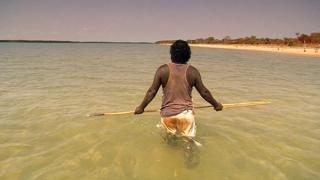
The different seasons mark different interactions with the land and different food sources. Barra season – October to December – is the time when foods such as yardagaga become available. The signs from the land, whether it is the woodugu or the dropping of the seeds from the pandanus plant, all represent a specific event to the custodians. The land in this way has a voice and speaks to and through the custodians as much as the custodians speak through the land. The exchange of energy between the peoples of the land and the land represents a harmonious relationship. During Barra time, the sea is the main provider of food, and Moses the primary provider of food for his family.
5 Seasons synopsis
A documentary narrated by Tom E Lewis about a region that western society says has two seasons, the wet and the dry. The Numurindi people of south-east Arnhemland in the Northern Territory’s Gulf of Carpentaria recognise their country has five seasons;
Migirarrga – May to July. Cold weather time.
Durrmala – August to October. Turtle egg time, hot dry winds.
Barra – October to December. Rains coming.
Barra Amilmilariri – January to February. Flood plains underwater, heavy rains.
Mariga – March to April. Flood plains drying up. Cool weather coming.These five seasons within the calendar year direct the lives of the Numurindi people. The land is alive, and Junggayi Moses Numamurdirdi, or Mawulu, introduces us to the concept of the land being an entity and responsive to all human actions. ‘This country is fragile. It is important that we know the songs of the country’, says Lewis in voice-over narration, ‘The songs and dances are important as it tells … us who we are, where we belong, the creation of our country, and the stories of our old people’. The responsibility of song and singing to the land is about respecting its cycles and rhythms.
5 Seasons describes how the region regenerates itself within five cycles, guiding all aspects of the lives of the Numurindi peoples, instructing them on what food is available and what is not, whether they will sit waiting for the rains to subside during the Barra season, which is also the season when the seas offer the greatest source of bush food, or whether it is time to collect turtle eggs during the Durrmala season.
5 Seasons curator's notes
The juxtaposition of archival footage with contemporary or present-day footage is evocative. Director Steve McGregor in a few simple frames represents the unchanging traditions of the Indigenous people of the area and a shift occurring in the use of western technology to incorporate ancient hunting and gathering methods. Stunning cinematography by Allan Collins and Warwick Thornton reveal this land as a montage of incredible colours and movement. To look upon this country through the eyes of Collins and Thornton, who as cinematographers support the perspective of Junggayi Moses Numamurdirdi, reveals a country that is achingly beautiful and fragile. A country that is a being requiring the most sensitive of responsibility and interaction, fulfilled here by the moieties of water and fire, or shark and crocodile. There is an exhilarating sequence towards the end of the film in Barra Amilmilariri season in which, during a thunderstorm, a crocodile moves towards the beach shore to feed from a carcass.
This film illustrates, with a gentle authority, the stark contrast between western cultural land management and the ancient Indigenous philosophies and cosmologies that treat the land as a living entity and worthy of respect.
Notes by Romaine Moreton
Need to license this item? A/V professionals and researchers can shortlist licensing enquiries via our NFSA Pro catalogue search and membership.
Collections to explore
AFL and AFLW
Supernatural
Turtles
Start your own collection
A free Your Stuff account allows you to save, organise and share your favourite videos, audio and stories.


