
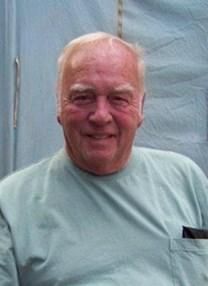
August 15 brought the funeral of Australian television and film documentary producer Tom Manefield (1927-2013), who had died in a street accident in suburban Sydney on 23 May. Among those who delivered eulogies were Manefield’s long-term industry colleague and friend Storry Walton, and researcher- interviewer-director Robin Hughes. With the Chequerboard (1969-1975) Australian Broadcasting Commission documentary series which he initiated, Manefield had pioneered a new style of TV documentary, in the process giving many young filmmakers, Hughes included, vital opportunities that shaped their careers.
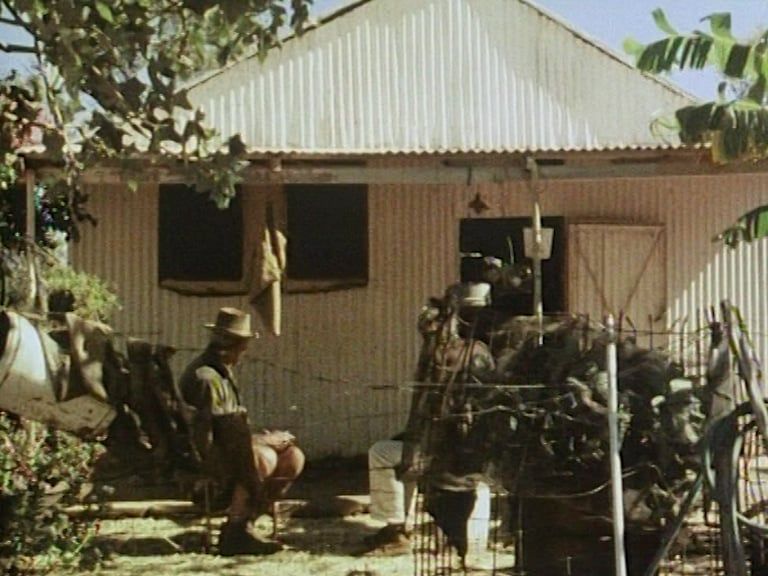
One of Hughes’ Chequerboard contemporaries was David Roberts, who after Manefield started producing for Film Australia, directed for him Walya Ngamardiki (The Land My Mother) (1978), a film about Australian Indigenous connections to land. Other Film Australia projects produced by Manefield included the 10-episode Why Can’t They Be Like We Were? (1976), on adolescent attitudes; the six-part Growing Up (1977), on adolescent sexual attitudes; the 20-part TV series Our Multicultural Society (1979); Chase That Dream (1979), for the Department of Housing and Construction; and the three 90-minute TV documentaries that constituted The Russians (1979).
It was controversy over The Russians that caused Tom Manefield to be dismissed from Film Australia, then to be reinstated after an appeal. When I recorded an oral history with Manefield for the NFSA in August 1990, The Russians remained a sensitive topic. Toward the end of the first of our two recording sessions, Manefield said he wanted to re-read his own records before saying anything about that series. When we re-convened a week later, Manefield was not only fully briefed but filled with a determination to tell his side of the Russians story with the kind of sharp-edged accuracy he had believed in as a producer. He proved to be an excellent interviewee, revealing a detailed recall of people, events, programs and films, and with clever precision nailing the cultures of the ABC and Film Australia as government institutions.
Manefield resigned from Film Australia three months after he had rejoined the organisation following his post- Russians reinstatement. By the time I interviewed him he had been thoroughly enjoying himself driving and owning Sydney taxis for a decade, often ferrying people like me on journeys that were spiced with his smart, witty comments and plenty of laughs.
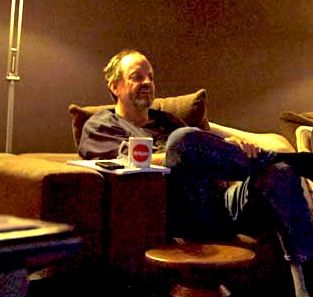
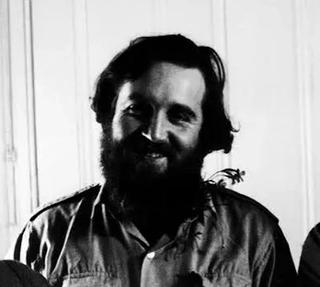
In their eulogies to him, Storry Walton and Robin Hughes have captured what Walton defined as Tom Manefield’s ‘high voltage’ personality and Hughes has called his total commitment ‘to the idea of challenging established authority’. But they also speak of his fine intellect, his passion for social justice, and his contributions to Australian television and film as an innovator, mentor and agent provocateur.


.jpg?w=640&h=480&auto=format)

.jpg?fp-x=0.5651041666666666&fp-y=0.29348958333333336&w=640&h=485&fit=crop&crop=focalpoint&auto=format)

