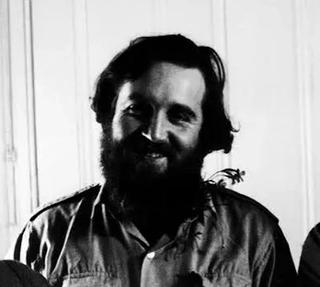
Producer-in-Chief of the Australian National Film Board, Stanley Hawes
On 26 February at the State Library of South Australia the NFSA will present a Stanley Hawes Retrospective as part of DocWeek’s Australia’s Living Memory, a tribute to the output of Film Australia and to Australia’s federal government film production dating back to 1913.
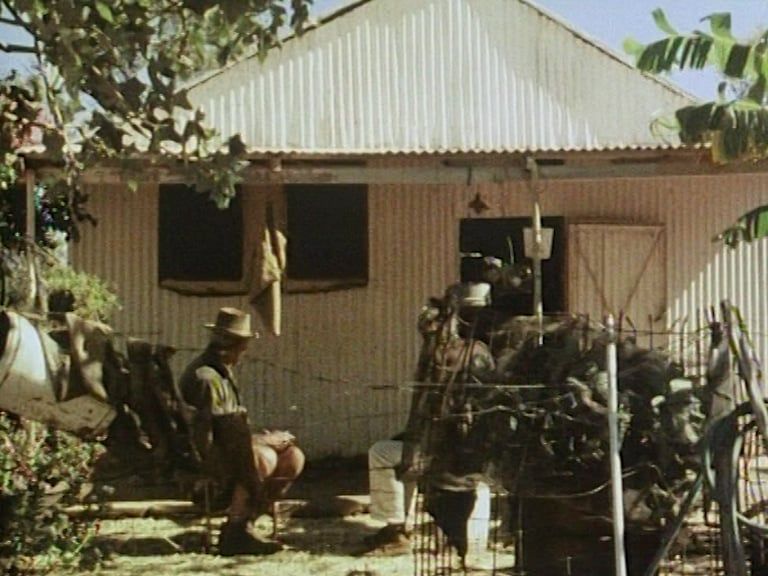
The Hawes retrospective will consist of two films closely associated with the organisation’s first Producer-in-Chief, Stanley Hawes (1905-1991): School in the Mailbox (1946), which Hawes directed, and The Queen in Australia(1954), which he produced.
Graham Shirley - NFSA’s Manager, Access Projects - shares his memories of, and information about, the life of Stanley Hawes:
"Stanley Hawes was always, for me, a figure who radiated authority on the one hand and a gentle courtesy on the other. He could, with his eyes twinkling, invest an anecdote with dry wit, and within minutes recall the pain and frustration he had felt when debating with government bureaucrats who claimed that no government film should exceed the brief of bland publicity. For Hawes, who knew filmmaking inside-out and had strong views about the moral responsibility of filmmakers, such views were anathema.
Recording a video interview with Stanley Hawes for the Australian Film, Radio and Television School in 1986 gave me insight into the ways he thought and worked. Having already supervised (which, in effect, meant produced) over 500 films in his 24 years as Producer-in-Chief of the federal government’s film unit, Hawes approached this autobiographical project with the kind of hawk-eyed scrutiny that I assumed he had applied to many of those 1946-1970 documentaries. Before we recorded, he gave feedback on my list of questions, then wrote detailed draft replies. He viewed a rough-cut, then the fine-cut of the completed interview, urging that AFTRS incorporate more than the rough-cut had on events in his career before 1940.
In our day-to-day dealings on the project, I found Hawes to be collaborative and respectful, although there were flashes of the unyielding will that had ensured his survival throughout his career. We were both at that time regular attendees at the Sydney Film Festival, and in conversation there and elsewhere, he revealed a prodigious knowledge of international film history. But if he didn’t like a film or TV program, as I found when I casually mentioned the topic of the ABC mini-series Scales of Justice (1983) which tackled police corruption, his verdict could be swift and explosive.


.jpg?w=640&h=480&auto=format)