Tracey Moffatt
1988
Tracey Moffatt
1988
- NFSA IDHC5AFNH5
- TypeFilm
- MediumMoving Image
- FormDocumentary
- GenresIndigenous themes or stories, Indigenous as subject
- Year1988
- WARNING: Aboriginal and Torres Strait Islander viewers are advised that the following program may contain images and/or audio of deceased persons
Filmmaker and photographer Tracey Moffatt is one of Australia's most nationally and internationally successful artists, having held around 100 solo exhibitions of her work in Europe, the United States and Australia.
Her films Nightcries – A Rural Tragedy (1989) and BeDevil (1993) have screened at the Cannes Film Festival and other prominent festivals around the world. In 2017 Moffatt was selected to take part in the Venice Biennale with her exhibition MY HORIZON.
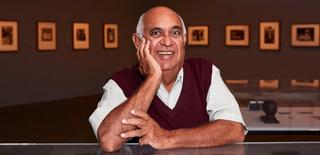
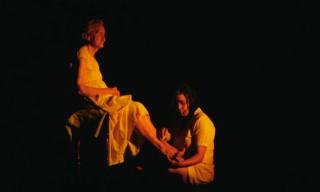
In this clip from the 1988 documentary Boomalli: Five Koori Artists, Moffatt talks about art and politics. We see some of her photographic work and her short experimental film Nice Coloured Girls (Tracey Moffatt, Australia, 1987). Moffatt talks about growing up as 'the only Aboriginal kid in the school photograph' in the suburbs of Brisbane. She says:
In the different mediums I work in, photography and film, I'm basically concerned with contemporary Aboriginal society. Be it people living in a traditional way or living in the cities and ... I'm wanting to depart from a documentary or ethnographic mode. I just feel that nowadays people tune out when they think 'here we go again, another predicable documentary about Aborigines.
Moffatt shows photographs from her recent collaboration with women practising the art of basket weaving in Arnhem Land. She says the future for herself and other Aboriginal artists is 'brilliant, especially for those who don't expect the world to come to them, simply because they're Aboriginal and it's owed to them'.
Moffatt defends her right to mix art and politics and talks about her opposition to flying the Aboriginal flag on First Fleet reenactment ships. Moffatt was in Portsmouth, England with an Aboriginal arts festival at the time the ships were setting forth to sail to Australia. We see news footage of her talking to media while she is being arrested by English police.
Excerpt from Boomalli: Five Koori Artists, 1988 – Film Australia Collection.
Notes by Beth Taylor
- WARNING: Aboriginal and Torres Strait Islander viewers are advised that the following program may contain images and/or audio of deceased persons
Filmmaker and photographer Tracey Moffatt is one of Australia's most nationally and internationally successful artists, having held around 100 solo exhibitions of her work in Europe, the United States and Australia.
Her films Nightcries – A Rural Tragedy (1989) and BeDevil (1993) have screened at the Cannes Film Festival and other prominent festivals around the world. In 2017 Moffatt was selected to take part in the Venice Biennale with her exhibition MY HORIZON.
In this clip from the 1988 documentary Boomalli: Five Koori Artists, Moffatt talks about art and politics. We see some of her photographic work and her short experimental film Nice Coloured Girls (Tracey Moffatt, Australia, 1987). Moffatt talks about growing up as 'the only Aboriginal kid in the school photograph' in the suburbs of Brisbane. She says:
In the different mediums I work in, photography and film, I'm basically concerned with contemporary Aboriginal society. Be it people living in a traditional way or living in the cities and ... I'm wanting to depart from a documentary or ethnographic mode. I just feel that nowadays people tune out when they think 'here we go again, another predicable documentary about Aborigines.
Moffatt shows photographs from her recent collaboration with women practising the art of basket weaving in Arnhem Land. She says the future for herself and other Aboriginal artists is 'brilliant, especially for those who don't expect the world to come to them, simply because they're Aboriginal and it's owed to them'.
Moffatt defends her right to mix art and politics and talks about her opposition to flying the Aboriginal flag on First Fleet reenactment ships. Moffatt was in Portsmouth, England with an Aboriginal arts festival at the time the ships were setting forth to sail to Australia. We see news footage of her talking to media while she is being arrested by English police.
Excerpt from Boomalli: Five Koori Artists, 1988 – Film Australia Collection.
Notes by Beth Taylor
- NFSA IDHC5AFNH5
- TypeFilm
- MediumMoving Image
- FormDocumentary
- GenresIndigenous themes or stories, Indigenous as subject
- Year1988
- DirectorMichael Riley
Need to license this item? A/V professionals and researchers can shortlist licensing enquiries via our NFSA Pro catalogue search and membership.
Collections to explore


First Nations artists

Tracey Moffatt

First Nations
Start your own collection
A free Your Stuff account allows you to save, organise and share your favourite videos, audio and stories.


