Soldiers Without Uniform: The frontline of the factory
1942
Soldiers Without Uniform: The frontline of the factory
1942
- NFSA IDSW1EEBE0
- TypeFilm
- MediumMoving Image
- FormShort, Documentary
- GenresPropaganda
- Year1942
A man is ready to leave for his night shift at the munitions factory when his young daughter, Topsy, runs up to him. Her mother has said that he works 'awful hard making bombs’ so that the Germans can’t attack them. As he departs, a voice-over narration (spoken by John Tate) explains that the man is going to 'join his army at the factory front’. Other men of various ages arrive at the factories for work, including a pastor. Munitions factory workers make weaponry for the fighting as the narrator concludes, 'this shining thing in the soul of free men Hitler cannot command or conquer’. Summary by Poppy De Souza.
A man is ready to leave for his night shift at the munitions factory when his young daughter, Topsy, runs up to him. Her mother has said that he works 'awful hard making bombs’ so that the Germans can’t attack them. As he departs, a voice-over narration (spoken by John Tate) explains that the man is going to 'join his army at the factory front’. Other men of various ages arrive at the factories for work, including a pastor. Munitions factory workers make weaponry for the fighting as the narrator concludes, 'this shining thing in the soul of free men Hitler cannot command or conquer’. Summary by Poppy De Souza.
- NFSA IDSW1EEBE0
- TypeFilm
- MediumMoving Image
- FormShort, Documentary
- GenresPropaganda
- Year1942
- Production companyCommonwealth Film Laboratories, Department of InformationDirectorCharles ChauvelWriterCharles Chauvel
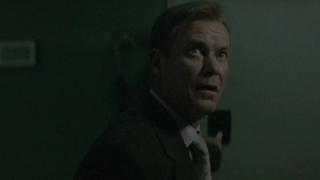
This clip is from the opening moments of the film. The dramatised family scene in which young Topsy calls her father a 'big soldier boy’ protecting her, her mother and Teddy from the German bombs cleverly sets up the relationship between the war effort overseas and the workers at home making weapons. The viewer might assume that 'Teddy’ is the stuffed toy that Topsy is holding. We find out later he is actually her older brother who, like his father, works daily shifts at the munitions factory to defend the freedom of the nation. The montage of factory interior shots showing workers sweating and toiling over heavy machinery links the tools of war to the human labour that creates them.
Soldiers Without Uniforms synopsis
Charles and Elsa Chauvel’s short wartime documentary made for the Commonwealth Department of Information highlights the work of Australians in munitions factories. It includes a dramatised narrative about one family in which a father and son work in factories while the other son fights on the frontline overseas.
Soldiers Without Uniforms curator's notes
Made between the feature films Forty Thousand Horsemen (1940) and The Rats of Tobruk (1944), Soldiers without Uniform was the first of four documentaries Chauvel produced for the Department of Information (DOI). According to his wife Elsa, Chauvel offered his services to the DOI as a way of serving his country. Each film aimed to boost the morale of domestic workers by recognising their contributions to the war effort.
Soldiers Without Uniforms was filmed in the manganese factories in Victoria where workers often had to be carried outside as a respite from the heavy fumes inside. Chauvel depicts these demanding conditions through cinematographer George Heath’s close-ups of sweaty workers, a persuasive and commanding voice-over narration and a rhythmic soundtrack conveying the machinery of war. These scenes are balanced by the dramatised domestic situation which places the workers in a context familiar to working-class families of the time.
Notes by Poppy De Souza
Need to license this item? A/V professionals and researchers can shortlist licensing enquiries via our NFSA Pro catalogue search and membership.
Collections to explore

Family tradition


Manufacturing industry

World War 2
Start your own collection
A free Your Stuff account allows you to save, organise and share your favourite videos, audio and stories.


