Satellite Dreaming: Emu dance
1991
Satellite Dreaming: Emu dance
1991
- WARNING: Aboriginal and Torres Strait Islander viewers are advised that the following program may contain images and/or audio of deceased persons
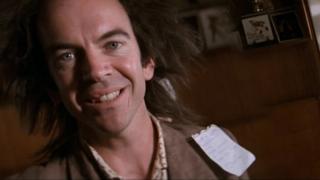
In the beautiful desert sunset, Noli Roberts (traditional custodian, Kuru Ala) talks about recording the dance of the Seven Sisters, and tells us that in doing this dance and making it available to everyone, they are keeping the story strong. We see the initial part of the story being acted out by the Indigenous performers. Summary by Romaine Moreton.
- WARNING: Aboriginal and Torres Strait Islander viewers are advised that the following program may contain images and/or audio of deceased persons
In the beautiful desert sunset, Noli Roberts (traditional custodian, Kuru Ala) talks about recording the dance of the Seven Sisters, and tells us that in doing this dance and making it available to everyone, they are keeping the story strong. We see the initial part of the story being acted out by the Indigenous performers. Summary by Romaine Moreton.
- Production companyCAAMA ProductionsProducersIvo Burum, Tony DowmuntDirectorIvo Burum
This clip shows directly how television is being used to keep ancient stories alive and strong, and how different Indigenous groups use technology to sustain their own cultural identity.
Satellite Dreaming synopsis
A documentary about the history of Indigenous media, including television production, in Australia, and the start of Indigenous media in the centre of Australia.
Satellite Dreaming curator's notes
Satellite Dreaming is an informative documentary about the vision Aboriginal peoples had in developing an ethically and culturally relevant use of media. The main focus of the Indigenous use of media put forward in this film was to sustain Indigenous languages and cultural perspectives in an environment saturated by Western culture and the English language.
The creation of Central Australian Aboriginal Media Association (CAAMA) was an effort to maintain the strength of Indigenous culture and language through mainstream media. The idea was for Indigenous people to produce media that would sustain a strong Indigenous identity that varied from region to region. In Sydney for example, the needs and wants of the Indigenous community differ to those in the central desert area of Alice Springs and South Australia. These different needs are evident in the content of the programs made, the format they are made in (for example magazine style or documentary), down to how the shows are produced.
Rhoda Roberts talks about First in Line, the first prime time show hosted by two Aboriginal people – Rhoda Roberts and Michael Johnson – and talks about how it built up an audience. Lester Bostock and Gerry Bostock (Koori Productions) discuss the need for Aboriginal programs on a continuous basis. Frances Peters (director, ABC TV) talks about the ethics of producing Aboriginal programming. Aboriginal programming in its development was about skills development, but equally importantly it was an ethical approach that would eventually lead to the establishment of Indigenous media serving the cultural perspective of Indigenous peoples.
Satellite Dreaming is a useful teaching resource on the history of Indigenous media, and how it differs from mainstream programming.
Notes by Romaine Moreton
Need to license this item? A/V professionals and researchers can shortlist licensing enquiries via our NFSA Pro catalogue search and membership.
Collections to explore

First Nations

LGBTQIA+


Disability
Start your own collection
A free Your Stuff account allows you to save, organise and share your favourite videos, audio and stories.


