Papunya Tula Artists
1986
Papunya Tula Artists
1986
- NFSA IDKSEK3CW7
- TypeFilm
- MediumMoving Image
- FormNewsreel, Series
- Duration1 hr, 5 mins, 40 secs
- GenresIndigenous themes or stories, Indigenous as subject
- Year1986
- WARNING: Aboriginal and Torres Strait Islander viewers are advised that the following program may contain images and/or audio of deceased persons
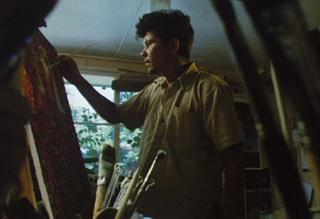
This clip from Aboriginal Video Magazine (1986) shows two renowned Western Desert artists, George Bush Tjangala and Don Tjungurrayi.
The Western Desert art movement has become one of Australia’s most recognisable art forms.
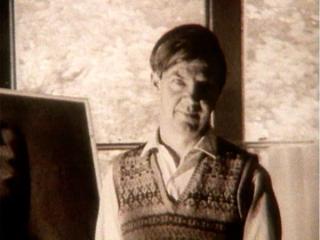
Paintings were traditonally created on the ground using sand, coloured stones, feathers and plants but, in 1971, school teacher Geoffrey Bardon encouraged some of the men to paint a blank school wall using acrylic paints.
This created great interest in the community and led to the formation of the Papunya Tula Artists Cooperative in 1972. Since then, members of the community have been painting traditional designs using acrylic paints on boards and canvas which have been exhibited and collected internationally.
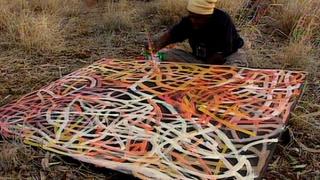
In this clip, shots of an Indigenous art gallery located on a colourful, busy urban street are starkly contrasted with the dry, sparse, brown palette of the open desert area where the paintings of the Papunya Tula artists are created. A straightforward explanatory voice-over introduces the artists, their traditional style, subject matter and materials used.
We learn that some of their paintings have featured in art shows and won prizes. This information, combined with images of the artists at work in their remote setting, conveys a real sense of achievement when you consider how the artists have managed to bridge the divide between their traditional culture and the commercial art world.
- WARNING: Aboriginal and Torres Strait Islander viewers are advised that the following program may contain images and/or audio of deceased persons
This clip from Aboriginal Video Magazine (1986) shows two renowned Western Desert artists, George Bush Tjangala and Don Tjungurrayi.
The Western Desert art movement has become one of Australia’s most recognisable art forms.
Paintings were traditonally created on the ground using sand, coloured stones, feathers and plants but, in 1971, school teacher Geoffrey Bardon encouraged some of the men to paint a blank school wall using acrylic paints.
This created great interest in the community and led to the formation of the Papunya Tula Artists Cooperative in 1972. Since then, members of the community have been painting traditional designs using acrylic paints on boards and canvas which have been exhibited and collected internationally.
In this clip, shots of an Indigenous art gallery located on a colourful, busy urban street are starkly contrasted with the dry, sparse, brown palette of the open desert area where the paintings of the Papunya Tula artists are created. A straightforward explanatory voice-over introduces the artists, their traditional style, subject matter and materials used.
We learn that some of their paintings have featured in art shows and won prizes. This information, combined with images of the artists at work in their remote setting, conveys a real sense of achievement when you consider how the artists have managed to bridge the divide between their traditional culture and the commercial art world.
- NFSA IDKSEK3CW7
- TypeFilm
- MediumMoving Image
- FormNewsreel, Series
- Duration1 hr, 5 mins, 40 secs
- GenresIndigenous themes or stories, Indigenous as subject
- Year1986
- Executive ProducersCarl Wood and Paul McDowell
Need to license this item? A/V professionals and researchers can shortlist licensing enquiries via our NFSA Pro catalogue search and membership.
Collections to explore



First Nations artists
Painting

1980s
Start your own collection
A free Your Stuff account allows you to save, organise and share your favourite videos, audio and stories.


