Minymaku Way: Choosing a dance
2000
Minymaku Way: Choosing a dance
2000
- NFSA IDB5PJ02JV
- TypeTelevision
- MediumMoving Image
- FormDocumentary
- Duration51 mins, 40 secs
- GenresWomen, Indigenous themes or stories, Indigenous as subject
- Year2000
- WARNING: Aboriginal and Torres Strait Islander viewers are advised that the following program may contain images and/or audio of deceased persons
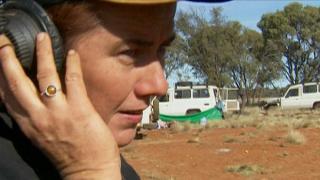
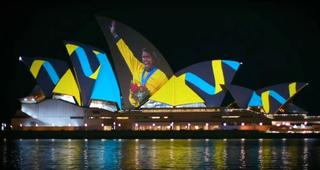
The Anangu (how the Indigenous people of the area refer to themselves) women have been invited by Stephen Page to perform at the opening ceremony of the 2000 Olympic Games in Sydney, and are discussing which dance would best suit the venue. Summary by Romaine Moreton.
- WARNING: Aboriginal and Torres Strait Islander viewers are advised that the following program may contain images and/or audio of deceased persons
The Anangu (how the Indigenous people of the area refer to themselves) women have been invited by Stephen Page to perform at the opening ceremony of the 2000 Olympic Games in Sydney, and are discussing which dance would best suit the venue. Summary by Romaine Moreton.
- NFSA IDB5PJ02JV
- TypeTelevision
- MediumMoving Image
- FormDocumentary
- Duration51 mins, 40 secs
- GenresWomen, Indigenous themes or stories, Indigenous as subject
- Year2000
- Production companyCAAMA ProductionsExecutive ProducerPriscilla Collins (AKA Cilla Collins)DirectorErica GlynnWriterKate Gillick
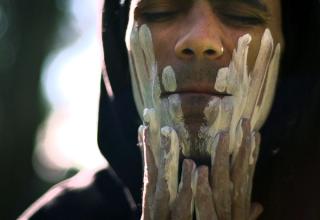
This is a wonderful behind-the-scenes look at the complexities that were involved in the selection of the right dance for the opening ceremony of the Sydney Olympic Games in 2000. The women collectively put forward three dances, and eventually choose one that is right on a number of levels; is not too restricted or sacred, has lots of movement (good entertainment value), and has good designs that will be painted on the women’s bodies and will show up well under the lights of the Olympic stadium. The word for dance is 'inma’ and the women eventually choose the 'inma’ of the Seven Sisters.
Minymaku Way synopsis
This documentary celebrates the 20th anniversary of the formation of the Ngaanyatjarra Pitjantjatjara Yankunytjatjara Women’s Council.
Minymaku Way curator's notes
In 1980 the Ngaanyatjarra Pitjantjatjara Yankunytjatjara (NPY) Women’s Council was formed as a response to the women being excluded from important debates. Minymaku Way documents the strength of the Anangu (Indigenous) women, and the implementation of programs that are designed to preserve culture and to heal the ills of the community. The film focuses on 'Malpa’ (working relationships in Pitjantjatjara) between Indigenous and non-Indigenous women, and we witness how the Women’s Council strategise to counteract the increasing attraction of the Anangu youth to Western culture, and the potential loss of cultural knowledge as a result.
The strength of the Women’s Council is evident in the 10-year struggle to get a local publican to not sell liquor to Anangu people. The NPY Women’s Council now boasts a membership of 3,000 and is a powerful political and cultural voice. The documentary shows the women choosing and preparing a song for the opening of the 2000 Olympic Games and the cultural protocols that had to be observed before a song and dance could be chosen, as well as implementing projects within Anangu communities. This documentary is important for showing the proactive ambition of grass roots Indigenous peoples in contesting the afflictions ailing their own communities, and for challenging any prevailing views that Aboriginal communities like these are dependent upon outside bureaucracy to deal with their physical, cultural, spiritual and emotional ailments.
Notes by Romaine Moreton
Need to license this item? A/V professionals and researchers can shortlist licensing enquiries via our NFSA Pro catalogue search and membership.
Collections to explore
2000 Sydney Olympics


First Nations Languages

First Nations
Start your own collection
A free Your Stuff account allows you to save, organise and share your favourite videos, audio and stories.


