Melbourne: Life in Australia in 4K
1966
Melbourne: Life in Australia in 4K
1966
- NFSA ID697C7CBS
- TypeFilm
- MediumMoving Image
- FormDocumentary, Series
- Year1966
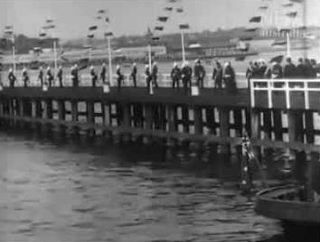
This film shows an idyllic picture of life in the Victorian capital of Melbourne in the mid 1960s.
Part of the Life In Australia series, made for the Department of Immigration, to entice immigrants from Europe. There's no denying that these films were a marketing tool; Australia (and its cities and rural centres) was the product, and as such, it was presented as an idyllic destination where everyone led prosperous, happy lives.
Despite the nostalgia generated by these images of a recent past – the 'good old days' – it is important to understand the context in which the films were made. It was the last years of the 'White Australia' policy, and the government wanted to attract (mostly British) migrants. Inclusiveness was not the goal, and anything that didn't fit into the perfect postcard image was left out of these films. It's the TV sitcom version of a complex country going through a transformative period.
The 1960s was a time of change around the world, and Australia was no exception. The Vietnam War sparked social unrest and protests challenging Australia's participation in the conflict. There are no First Nations people in any of these films, at the time when Charles Perkins embarked on the Freedom Ride, and only a couple of years before the landmark 1967 referendum. Women's rights movements were also transforming Australian society, yet in these films women only play traditional roles: employed in 'women's jobs' until they 'graduated' from working life through marriage, to become devoted housewives.
These films are fascinating examples of the 1950s-60s government filmmaking style, and capture different aspects of the Australian experience 50 years ago. They may not represent 100% of what life in Australia was, but they do capture the spirit of a nation aspiring to fulfil its potential.
The female lead is played by Adelaide born actress Elspeth Ballantyne, who would find success in the ABC soap opera Bellbird (1967-77), followed by the iconic role of Meg Jackson/Morris in Prisoner (1979-1986).
Each film in the series covers employment, industry, education, sport, health care, shopping, religion, night-life, and art.
Directed by Douglas White and now available in 4K HD. Film Australia Collection © NFSA.
Notes by Miguel Gonzalez
CREDITS
Producer Eric Thompson Director Douglas White Cinematographer Tom Cowan Herself Elspeth Ballantyne
This film shows an idyllic picture of life in the Victorian capital of Melbourne in the mid 1960s.
Part of the Life In Australia series, made for the Department of Immigration, to entice immigrants from Europe. There's no denying that these films were a marketing tool; Australia (and its cities and rural centres) was the product, and as such, it was presented as an idyllic destination where everyone led prosperous, happy lives.
Despite the nostalgia generated by these images of a recent past – the 'good old days' – it is important to understand the context in which the films were made. It was the last years of the 'White Australia' policy, and the government wanted to attract (mostly British) migrants. Inclusiveness was not the goal, and anything that didn't fit into the perfect postcard image was left out of these films. It's the TV sitcom version of a complex country going through a transformative period.
The 1960s was a time of change around the world, and Australia was no exception. The Vietnam War sparked social unrest and protests challenging Australia's participation in the conflict. There are no First Nations people in any of these films, at the time when Charles Perkins embarked on the Freedom Ride, and only a couple of years before the landmark 1967 referendum. Women's rights movements were also transforming Australian society, yet in these films women only play traditional roles: employed in 'women's jobs' until they 'graduated' from working life through marriage, to become devoted housewives.
These films are fascinating examples of the 1950s-60s government filmmaking style, and capture different aspects of the Australian experience 50 years ago. They may not represent 100% of what life in Australia was, but they do capture the spirit of a nation aspiring to fulfil its potential.
The female lead is played by Adelaide born actress Elspeth Ballantyne, who would find success in the ABC soap opera Bellbird (1967-77), followed by the iconic role of Meg Jackson/Morris in Prisoner (1979-1986).
Each film in the series covers employment, industry, education, sport, health care, shopping, religion, night-life, and art.
Directed by Douglas White and now available in 4K HD. Film Australia Collection © NFSA.
Notes by Miguel Gonzalez
CREDITS
Producer Eric Thompson Director Douglas White Cinematographer Tom Cowan Herself Elspeth Ballantyne
- NFSA ID697C7CBS
- TypeFilm
- MediumMoving Image
- FormDocumentary, Series
- Year1966
- ProducerEric ThompsonDirectorDouglas WhiteCinematographerTom CowanHerselfElspeth Ballantyne
Need to license this item? A/V professionals and researchers can shortlist licensing enquiries via our NFSA Pro catalogue search and membership.