Melbourne Cup, 1915
1915
Melbourne Cup, 1915
1915
- NFSA IDJVGKC80V
- TypeFilm
- MediumMoving Image
- FormNewsreel, Series
- GenresSport
- Year1915
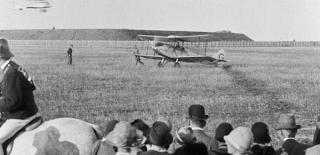
The Great War did not succeed in killing interest in horseracing in Australia. The 1915 Melbourne Cup was filmed and screened less than 24 hours after the race.
Since 1896 the Melbourne Cup was filmed annually and screened shortly afterwards. In 1915 the tradition continued with the filming of the same scenes Marius Sestier had originally filmed in 1896. This Australasian Films newsreel reveals how far filmmaking had come in just those nine years. Camera techniques had become more dynamic and creative, and the film industry was a crucial element in the circulation of news.
The Higgins brothers were acknowledged as the leading cinematographers of their day. They placed ten cameras in strategic locations around the racecourse, filming the start of the race from behind the horses, then from a high vantage point, and carefully panned to follow the action.
Patrobas triumphed on the course and Australasian Films triumphed in the theatres. Their representatives took the camera negative back to Sydney on the train, developed it, edited it, duplicated the 35mm prints and got them into theatres less than 24 hours after the race.
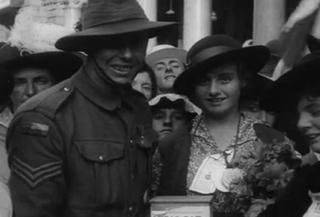
However, the newsreel could not capture the emotions that the Argus reported the day after the race, ‘Everywhere one heard muttered griefs exchanged with mutual greetings […] there was the khaki that streaked the many-hued multitude so plentifully—the khaki of the recruit who still had to prove himself, and the khaki of the returned hero […] some of them lame, some of them with their arms in slings, and, saddest of all, one of them actually blind’. Profits of the day went to war relief funds.
The Great War did not succeed in killing interest in horseracing in Australia. The 1915 Melbourne Cup was filmed and screened less than 24 hours after the race.
Since 1896 the Melbourne Cup was filmed annually and screened shortly afterwards. In 1915 the tradition continued with the filming of the same scenes Marius Sestier had originally filmed in 1896. This Australasian Films newsreel reveals how far filmmaking had come in just those nine years. Camera techniques had become more dynamic and creative, and the film industry was a crucial element in the circulation of news.
The Higgins brothers were acknowledged as the leading cinematographers of their day. They placed ten cameras in strategic locations around the racecourse, filming the start of the race from behind the horses, then from a high vantage point, and carefully panned to follow the action.
Patrobas triumphed on the course and Australasian Films triumphed in the theatres. Their representatives took the camera negative back to Sydney on the train, developed it, edited it, duplicated the 35mm prints and got them into theatres less than 24 hours after the race.
However, the newsreel could not capture the emotions that the Argus reported the day after the race, ‘Everywhere one heard muttered griefs exchanged with mutual greetings […] there was the khaki that streaked the many-hued multitude so plentifully—the khaki of the recruit who still had to prove himself, and the khaki of the returned hero […] some of them lame, some of them with their arms in slings, and, saddest of all, one of them actually blind’. Profits of the day went to war relief funds.
- NFSA IDJVGKC80V
- TypeFilm
- MediumMoving Image
- FormNewsreel, Series
- GenresSport
- Year1915
- Production companyAustralasian Films LtdCinematographersArthur, Ernest and Tasman Higgins aka Higgins Brothers
Need to license this item? A/V professionals and researchers can shortlist licensing enquiries via our NFSA Pro catalogue search and membership.
Collections to explore
Melbourne


World War 1
1910s
Start your own collection
A free Your Stuff account allows you to save, organise and share your favourite videos, audio and stories.


