Island Fettlers: Leaving Island homes
2006
Island Fettlers: Leaving Island homes
2006
- NFSA IDF86VWZW4
- TypeTelevision
- MediumMoving Image
- FormDocumentary
- Duration25 mins
- GenresIndigenous themes or stories, Indigenous as subject
- Year2006
- WARNING: Aboriginal and Torres Strait Islander viewers are advised that the following program may contain images and/or audio of deceased persons
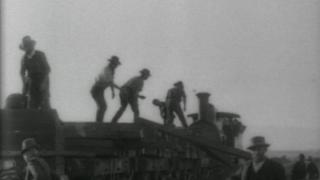
The bright tropical colours of the coastline of Darnley Island, Torres Strait. Island men bid their families and community farewell. Voice-over narration tells of the choice to go to Western Australia to provide for their families. Historical footage of railway lines in the desert. The colours are now sepia and hot, quite a contrast to the bright colours of the Torres Strait. Titles come up that say 'The Pilbara Region, North Western Australia’. Large earth moving machinery carves up the land. Titles state, 'In the 1960s, Western Australia’s growing mining industry needed thousands of kilometres of railway built to transport ore and minerals from remote mines in the desert to port towns on the coast. Already regarded as amongst the best and hardest working fettlers, hundreds of Torres Strait men left their homes to build these railways. Their work and skill led them to break a world record in tracklaying. It has never been beaten since. When the work was over, many returned to the Islands. A handful chose to stay.’ Summary by Romaine Moreton.
- WARNING: Aboriginal and Torres Strait Islander viewers are advised that the following program may contain images and/or audio of deceased persons
The bright tropical colours of the coastline of Darnley Island, Torres Strait. Island men bid their families and community farewell. Voice-over narration tells of the choice to go to Western Australia to provide for their families. Historical footage of railway lines in the desert. The colours are now sepia and hot, quite a contrast to the bright colours of the Torres Strait. Titles come up that say 'The Pilbara Region, North Western Australia’. Large earth moving machinery carves up the land. Titles state, 'In the 1960s, Western Australia’s growing mining industry needed thousands of kilometres of railway built to transport ore and minerals from remote mines in the desert to port towns on the coast. Already regarded as amongst the best and hardest working fettlers, hundreds of Torres Strait men left their homes to build these railways. Their work and skill led them to break a world record in tracklaying. It has never been beaten since. When the work was over, many returned to the Islands. A handful chose to stay.’ Summary by Romaine Moreton.
- NFSA IDF86VWZW4
- TypeTelevision
- MediumMoving Image
- FormDocumentary
- Duration25 mins
- GenresIndigenous themes or stories, Indigenous as subject
- Year2006
- Production companyCore FilmsProducerPauline ClagueDirectorKelrick MartinWriterKelrick MartinCommissioning editor, SBSiTrevor GrahamAcknowledgementsProduced with the assistance of the Indigenous Branch of the Australian Film Commission. Produced in association with SBS Independent
A part of history that many Australians would be unaware of, Island Fettlers introduces us to the experiences of Torres Strait people who, in leaving their island homes to work, contributed to the infrastructure of the Australian nation.
Island Fettlers synopsis
A documentary that uses historical footage, with current interview and observational footage, about the journey of Torres Strait Islander men who moved to the Pilbara to work on the railways and after the job finished stayed on.
Island Fettlers curator's notes
In the 1960s, Torres Strait men left their homes to travel to the foreign country of the Pilbara, determined to provide for their family. When the work was over, many returned home, but some did not. Those Torres Strait Islanders that stayed created a community and continued their traditional culture. The juxtaposition of Torres Strait culture against the backdrop of the Pilbara offers a stark contrast, visually, physically, and aurally.
Island Fettlers begins with shots of Darnley Island in the Torres Strait, Far North Queensland, in 1964. The tropical coastline of Darnley Island sets up the visual paradox characterised by country as the story of the Island fettlers unfolds. Darnley Island, coloured by the tones of the ocean and swayed by the wispy sea breeze appeals to the senses as a place that is colourful and imbued with movement. The tones of the Pilbara is intensified by the sense of trapped heat; a different kind of island that is circumvented by vast dry land. In Indigenous cultures, there are many different tribes or nations, and these tribes or nations represent the variation in the landscape itself. Island Fettlers draws upon this understanding, gently reminding us that Australia is a great and varied land, as too are its Indigenous peoples.
Notes by Romaine Moreton
Need to license this item? A/V professionals and researchers can shortlist licensing enquiries via our NFSA Pro catalogue search and membership.
Collections to explore

Roads, rails and runways



Romantic relationships
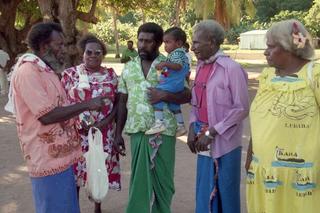
Torres Strait Islanders
Start your own collection
A free Your Stuff account allows you to save, organise and share your favourite videos, audio and stories.


