'Happy Little Vegemites' jingle (1953)
1953
'Happy Little Vegemites' jingle (1953)
1953
- NFSA ID5K6B43TE
- TypeRadio
- MediumAudio
- FormAdvertisement (includes promotional)
- Duration57 secs
- Year1953
A children's chorus promotes the health properties of Vegemite, a popular Australian yeast spread, in this radio jingle from the late 1950s.
The Vegemite jingle is performed by Betty Parker, Stephen Parker, Julia Parker and Linda Marcy.
Summary by Maryanne Doyle
CURATOR'S NOTES
This rousing marching tune is bursting with joy and health. In fact the phrase Happy Little Vegemites has entered the lexicon of Australian speech to mean 'happy' or 'satisfied'. Many Australians may not know the words to their national anthem but can cheerfully sing this jingle, whose simply but catchy lyrics are quickly implanted in the brain (a sure sign of a successful advertising jingle).
Although the singers all sound like children, they are led by Betty Parker, 'the queen of commercials', whose daughter sings the solo at the end.
The Vegemite Jingle synopsis
A chorus of children sing this radio jingle from the late 1950s. It proclaims the transformative power of their love for Vegemite, which has turned them into 'happy little Vegemites'.
Curator's notes
There were a number of versions of the 'Happy little Vegemites' jingle recorded in the 1950s. This is the most famous version: a family affair for the Parker family recorded in the EMI Studios in Sydney in the late 1950s. It includes singer Betty Parker, dubbed the queen of commercials, imitating a child's voice, as well as her younger siblings Julia and Stephen Parker, who were children at the time. The solo voice at the end of the song belongs to Betty's daughter, Linda Marcy.
Alan Weekes, a jingle writer for advertising company J Walter Thompson in Sydney, composed the tune but it was Bob Gibson, a famous band leader and musical director, who set the style by arranging it as a 6/8 march. The marching arrangement of the tune of Happy Little Vegemites has been used in advertising campaigns for Vegemite ever since.
Gibson had previously organised a school choir to sing it, but disliked their performance so much he replaced them with professional singers imitating children. He recorded this version with singers Betty Parker, Nola Lester, Olive Lester and Norma Francis, though it is not known if any copies of the recording survive. Yet another version was performed in a swing style and is preserved in a cinema ad. It shows Bob Gibson and his four-piece ensemble including Betty's husband, Frank Marcy on drums, in the recording studio accompanying the 'Vege-Mites' singing group of four little girls.
Throughout its history Vegemite has been promoted for its nutritional value and specifically for the strong and healthy growth of children. A cinema ad from the 1940s was set in a baby health centre to emphasise the nutritional benefits of the product.
In 2009 Kraft introduced a new version of Vegemite with the name iSnack2.0. This name was universally derided and it was withdrawn. The furore that erupted during this exercise demonstrates the attachment that Australians have towards an iconic product, which arguably is partially due to the popularity of this jingle.
Notes by Maryanne Doyle
CREDITS
Performers Betty Parker and a chorus of children
A children's chorus promotes the health properties of Vegemite, a popular Australian yeast spread, in this radio jingle from the late 1950s.
The Vegemite jingle is performed by Betty Parker, Stephen Parker, Julia Parker and Linda Marcy.
Summary by Maryanne Doyle
CURATOR'S NOTES
This rousing marching tune is bursting with joy and health. In fact the phrase Happy Little Vegemites has entered the lexicon of Australian speech to mean 'happy' or 'satisfied'. Many Australians may not know the words to their national anthem but can cheerfully sing this jingle, whose simply but catchy lyrics are quickly implanted in the brain (a sure sign of a successful advertising jingle).
Although the singers all sound like children, they are led by Betty Parker, 'the queen of commercials', whose daughter sings the solo at the end.
The Vegemite Jingle synopsis
A chorus of children sing this radio jingle from the late 1950s. It proclaims the transformative power of their love for Vegemite, which has turned them into 'happy little Vegemites'.
Curator's notes
There were a number of versions of the 'Happy little Vegemites' jingle recorded in the 1950s. This is the most famous version: a family affair for the Parker family recorded in the EMI Studios in Sydney in the late 1950s. It includes singer Betty Parker, dubbed the queen of commercials, imitating a child's voice, as well as her younger siblings Julia and Stephen Parker, who were children at the time. The solo voice at the end of the song belongs to Betty's daughter, Linda Marcy.
Alan Weekes, a jingle writer for advertising company J Walter Thompson in Sydney, composed the tune but it was Bob Gibson, a famous band leader and musical director, who set the style by arranging it as a 6/8 march. The marching arrangement of the tune of Happy Little Vegemites has been used in advertising campaigns for Vegemite ever since.
Gibson had previously organised a school choir to sing it, but disliked their performance so much he replaced them with professional singers imitating children. He recorded this version with singers Betty Parker, Nola Lester, Olive Lester and Norma Francis, though it is not known if any copies of the recording survive. Yet another version was performed in a swing style and is preserved in a cinema ad. It shows Bob Gibson and his four-piece ensemble including Betty's husband, Frank Marcy on drums, in the recording studio accompanying the 'Vege-Mites' singing group of four little girls.
Throughout its history Vegemite has been promoted for its nutritional value and specifically for the strong and healthy growth of children. A cinema ad from the 1940s was set in a baby health centre to emphasise the nutritional benefits of the product.
In 2009 Kraft introduced a new version of Vegemite with the name iSnack2.0. This name was universally derided and it was withdrawn. The furore that erupted during this exercise demonstrates the attachment that Australians have towards an iconic product, which arguably is partially due to the popularity of this jingle.
Notes by Maryanne Doyle
CREDITS
Performers Betty Parker and a chorus of children
- NFSA ID5K6B43TE
- TypeRadio
- MediumAudio
- FormAdvertisement (includes promotional)
- Duration57 secs
- Year1953
- PerformersBetty Parker and a chorus of children
This rousing marching tune is bursting with joy and health. In fact the phrase Happy Little Vegemites has entered the lexicon of Australian speech to mean ‘happy’ or ‘satisfied’. Many Australians may not know the words to their national anthem but can cheerfully sing this jingle, whose simply but catchy lyrics are quickly implanted in the brain (a sure sign of a successful advertising jingle).
Although the singers all sound like children, they are led by Betty Parker, 'the queen of commercials’, whose daughter sings the solo at the end.
The Vegemite Jingle synopsis
A chorus of children sing this radio jingle from the late 1950s. It proclaims the transformative power of their love for Vegemite, which has turned them into 'happy little Vegemites’.
Curator's notes
There were a number of versions of the 'Happy little Vegemites’ jingle recorded in the 1950s. This is the most famous version: a family affair for the Parker family recorded in the EMI Studios in Sydney in the late 1950s. It includes singer Betty Parker, dubbed the queen of commercials, imitating a child’s voice, as well as her younger siblings Julia and Stephen Parker, who were children at the time. The solo voice at the end of the song belongs to Betty’s daughter, Linda Marcy.
Alan Weekes, a jingle writer for advertising company J Walter Thompson in Sydney, composed the tune but it was Bob Gibson, a famous band leader and musical director, who set the style by arranging it as a 6/8 march. The marching arrangement of the tune of Happy Little Vegemites has been used in advertising campaigns for Vegemite ever since.
Gibson had previously organised a school choir to sing it, but disliked their performance so much he replaced them with professional singers imitating children. He recorded this version with singers Betty Parker, Nola Lester, Olive Lester and Norma Francis, though it is not known if any copies of the recording survive. Yet another version was performed in a swing style and is preserved in a cinema ad. It shows Bob Gibson and his four-piece ensemble including Betty’s husband, Frank Marcy on drums, in the recording studio accompanying the 'Vege-Mites’ singing group of four little girls.
Throughout its history Vegemite has been promoted for its nutritional value and specifically for the strong and healthy growth of children. A cinema ad from the 1940s was set in a baby health centre to emphasise the nutritional benefits of the product.
In 2009 Kraft introduced a new version of Vegemite with the name iSnack2.0. This name was universally derided and it was withdrawn. The furore that erupted during this exercise demonstrates the attachment that Australians have towards an iconic product, which arguably is partially due to the popularity of this jingle.
Notes by Maryanne Doyle
Need to license this item? A/V professionals and researchers can shortlist licensing enquiries via our NFSA Pro catalogue search and membership.
Collections to explore
Advertising jingle


Cinema Advertisement
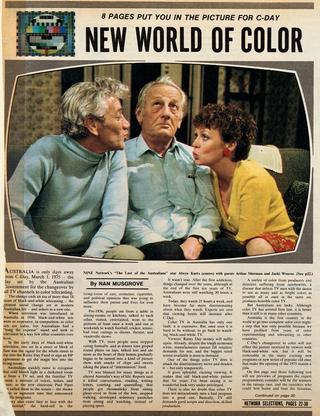


Newspaper advertising
Start your own collection
A free Your Stuff account allows you to save, organise and share your favourite videos, audio and stories.


