George Miller: Making Mad Max 2
2006
George Miller: Making Mad Max 2
2006
Director George Miller explains that Mad Max 2 (1981) was a very different production experience.
While he had a much bigger budget to work with, the greatest difference was his thinking about the story and a shift in his attitude towards filmmaking in general.
Paul Byrnes interviewed George Miller for australianscreen online in 2006.
CREDITS
Interviewer Paul Byrnes Interviewee George Miller
TRANSCRIPT
Mad Max 2 (1981) was different. The budget wasn't the issue. The biggest shift in Mad Max 2 (1981) was my head. I felt utterly defeated by the first Mad Max (1979). I felt that, that the film was unreleasable. I, I … it's a mystery to me why the film still worked. All I see is its defects. And I thought that if you prepared a film well enough, the film that's in your head, it's just a matter of executing it. And I was quite naïve then. What I didn't realise is that filmmaking is tough. And it wasn't until I spoke to Phillip Noyce and Peter Weir – Phil had just done Newsfront (1978), his first feature, and Peter had done his second, probably, feature – and they said, 'Oh it's always tough. It's crazy.'
And that, as simple as that sounds, that really changed my attitude. So we … on Mad Max 2 (1981), I made a point of getting really the best possible crew we could find. We were going to be out in the desert at Broken Hill. It was going to be tough. We were going to try to push things a little bit and, you know, I … but the attitude that I had and I think that the crew had was vastly different. On the first one most of the crew had come out of Crawford's Television. They couldn't work out why – why we were trying to shoot the film in an atypical way. They thought we were just going to make a Crawford's cop show. But we … but by the time we got to Mad Max 2 (1981), I think this was Dean Semler's second feature and his attitude was give anything a go – it's crazy but give it a go, we'll back you all the way.
And we went out there and it was much, much physically … much tougher film physically but – but with that sort of attitude that it's always tough and let's just go out there and make the very best film we can. That sort of … we ended up, you know, by and large having a very good experience on that film. It was … I felt as though I was able to achieve something much closer to the film in my head than I did with Mad Max (1979).
Director George Miller explains that Mad Max 2 (1981) was a very different production experience.
While he had a much bigger budget to work with, the greatest difference was his thinking about the story and a shift in his attitude towards filmmaking in general.
Paul Byrnes interviewed George Miller for australianscreen online in 2006.
CREDITS
Interviewer Paul Byrnes Interviewee George Miller
TRANSCRIPT
Mad Max 2 (1981) was different. The budget wasn't the issue. The biggest shift in Mad Max 2 (1981) was my head. I felt utterly defeated by the first Mad Max (1979). I felt that, that the film was unreleasable. I, I … it's a mystery to me why the film still worked. All I see is its defects. And I thought that if you prepared a film well enough, the film that's in your head, it's just a matter of executing it. And I was quite naïve then. What I didn't realise is that filmmaking is tough. And it wasn't until I spoke to Phillip Noyce and Peter Weir – Phil had just done Newsfront (1978), his first feature, and Peter had done his second, probably, feature – and they said, 'Oh it's always tough. It's crazy.'
And that, as simple as that sounds, that really changed my attitude. So we … on Mad Max 2 (1981), I made a point of getting really the best possible crew we could find. We were going to be out in the desert at Broken Hill. It was going to be tough. We were going to try to push things a little bit and, you know, I … but the attitude that I had and I think that the crew had was vastly different. On the first one most of the crew had come out of Crawford's Television. They couldn't work out why – why we were trying to shoot the film in an atypical way. They thought we were just going to make a Crawford's cop show. But we … but by the time we got to Mad Max 2 (1981), I think this was Dean Semler's second feature and his attitude was give anything a go – it's crazy but give it a go, we'll back you all the way.
And we went out there and it was much, much physically … much tougher film physically but – but with that sort of attitude that it's always tough and let's just go out there and make the very best film we can. That sort of … we ended up, you know, by and large having a very good experience on that film. It was … I felt as though I was able to achieve something much closer to the film in my head than I did with Mad Max (1979).
- InterviewerPaul ByrnesIntervieweeGeorge Miller
Mad Max 2 (1981) was different. The budget wasn’t the issue. The biggest shift in Mad Max 2 (1981) was my head. I felt utterly defeated by the first Mad Max (1979). I felt that, that the film was unreleasable. I, I … it’s a mystery to me why the film still worked. All I see is its defects. And I thought that if you prepared a film well enough, the film that’s in your head, it’s just a matter of executing it. And I was quite naïve then. What I didn’t realise is that filmmaking is tough. And it wasn’t until I spoke to Phillip Noyce and Peter Weir – Phil had just done Newsfront (1978), his first feature, and Peter had done his second, probably, feature – and they said, 'Oh it’s always tough. It’s crazy.’
And that, as simple as that sounds, that really changed my attitude. So we … on Mad Max 2 (1981), I made a point of getting really the best possible crew we could find. We were going to be out in the desert at Broken Hill. It was going to be tough. We were going to try to push things a little bit and, you know, I … but the attitude that I had and I think that the crew had was vastly different. On the first one most of the crew had come out of Crawford’s Television. They couldn’t work out why – why we were trying to shoot the film in an atypical way. They thought we were just going to make a Crawford’s cop show. But we … but by the time we got to Mad Max 2 (1981), I think this was Dean Semler’s second feature and his attitude was give anything a go – it’s crazy but give it a go, we’ll back you all the way.
And we went out there and it was much, much physically … much tougher film physically but – but with that sort of attitude that it’s always tough and let’s just go out there and make the very best film we can. That sort of … we ended up, you know, by and large having a very good experience on that film. It was … I felt as though I was able to achieve something much closer to the film in my head than I did with Mad Max (1979).
Need to license this item? A/V professionals and researchers can shortlist licensing enquiries via our NFSA Pro catalogue search and membership.
Collections to explore

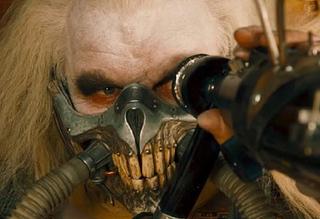
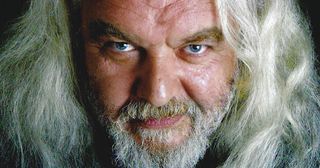
Mad Max
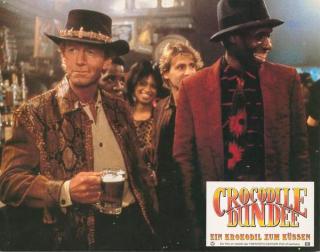
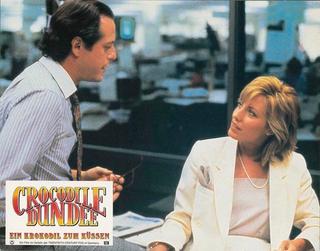

Crocodile Dundee
Ten Canoes
Start your own collection
A free Your Stuff account allows you to save, organise and share your favourite videos, audio and stories.


