The Fleet's Afloat
1915
The Fleet's Afloat
1915
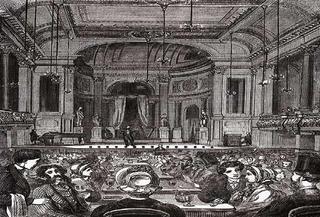
Prior to radio, songs were largely heard performed in music halls. People would then visit music shops to purchase the sheet music of tunes they liked. Many homes had a piano, and at least one member of the family knew how to play it, providing a common form of entertainment and socialization. Music shop owners would often employ a pianist to perform during business hours so customers could hear the sheet music played live. If a song was particularly popular, it would then be recorded by professional musicians.
Stanley Kirkby (1878 –1949) was an English baritone singer and variety artist of the early 20th century. His repertoire came from a wide range of genres and included ballads and popular songs. He sang mostly in music halls and variety theatres and was a prolific recording artist. Kirkby has been credited with making the largest number of records in Britain from the 1900s to the 1930s for every record label under a variety of pseudonyms as well as his own name.
Prior to radio, songs were largely heard performed in music halls. People would then visit music shops to purchase the sheet music of tunes they liked. Many homes had a piano, and at least one member of the family knew how to play it, providing a common form of entertainment and socialization. Music shop owners would often employ a pianist to perform during business hours so customers could hear the sheet music played live. If a song was particularly popular, it would then be recorded by professional musicians.
Stanley Kirkby (1878 –1949) was an English baritone singer and variety artist of the early 20th century. His repertoire came from a wide range of genres and included ballads and popular songs. He sang mostly in music halls and variety theatres and was a prolific recording artist. Kirkby has been credited with making the largest number of records in Britain from the 1900s to the 1930s for every record label under a variety of pseudonyms as well as his own name.
- PerformerStanley KirkbyMusicErnest WorthLyricsA. DonaldRecording companyRegal, G6941 (UK)
Need to license this item? A/V professionals and researchers can shortlist licensing enquiries via our NFSA Pro catalogue search and membership.
Collections to explore


World War 1

Pop music
Stanley Kirkby
Start your own collection
A free Your Stuff account allows you to save, organise and share your favourite videos, audio and stories.


