First Australians: Freedom For Our Lifetime - A compromise, Episode 3
2008
First Australians: Freedom For Our Lifetime - A compromise, Episode 3
2008
- NFSA IDMTFC733B
- TypeTelevision
- MediumMoving Image
- FormSeries
- Duration52 mins
- GenresIndigenous themes or stories, Indigenous as subject
- Year2008
- WARNING: Aboriginal and Torres Strait Islander viewers are advised that the following program may contain images and/or audio of deceased persons
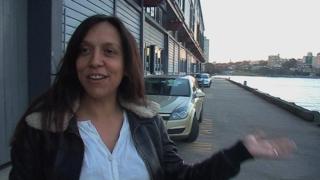
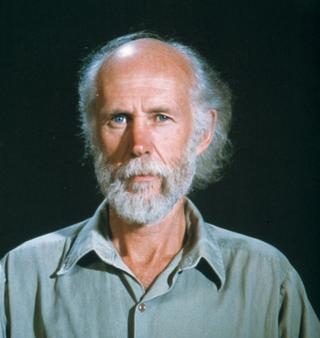
Narrator Rachel Perkins gives the historical context to the lives and situation of this episode’s focus individuals – Simon Wonga and William Barak. Writer Bruce Pascoe of Boonwurrung heritage and historian Professor Janet McCalman expand on the cultural and spiritual losses experienced by Aboriginal people in Victoria and Wonga’s vision for the future. Summary by Sophia Sambono.
- WARNING: Aboriginal and Torres Strait Islander viewers are advised that the following program may contain images and/or audio of deceased persons
Narrator Rachel Perkins gives the historical context to the lives and situation of this episode’s focus individuals – Simon Wonga and William Barak. Writer Bruce Pascoe of Boonwurrung heritage and historian Professor Janet McCalman expand on the cultural and spiritual losses experienced by Aboriginal people in Victoria and Wonga’s vision for the future. Summary by Sophia Sambono.
- NFSA IDMTFC733B
- TypeTelevision
- MediumMoving Image
- FormSeries
- Duration52 mins
- GenresIndigenous themes or stories, Indigenous as subject
- Year2008
- Production companyBlackfella FilmsProducersDarren Dale, Rachel PerkinsSeries producerHelen PanckhurstDirectorRachel PerkinsWritersLouis Nowra, Rachel PerkinsComposerPhillip MillerAcknowledgementsProduced in association with SBS, Screen Australia, New South Wales Film and Television Office, South Australian Film Corporation, ScreenWest and Lotterywest
Because the south-eastern regions of Australia were first to experience colonisation, the Indigenous people living there were the first to lose their liberties, culture and even lives to the invaders. After 70 years of occupation it would have been clear that the British were not going home and life was never going back to normal for Aboriginal people.
People like Simon Wonga and William Barak were obviously realistic about what could actually be accomplished after so much decimation to their people and culture. Despite popular belief that they were on the way to extinction, they were still determined to survive and make some sort of life. Their stories are devastating and inspirational at the same time; their ability to adapt to such oppositional circumstances shows the strength and intelligence of these men.
First Australians: Freedom For Our Lifetime synopsis
The third episode of the First Australians series begins in 1860 in Victoria and, through the lives of Simon Wonga and William Barak, explores broader issues facing Aboriginal people in these times.
The threat of extinction hovers over the first Australians of Victoria at the time Wurundjeri clan leader Simon Wonga seeks land from the authorities. He soon gives up and leads his people to the banks of the Yarra River, claiming a parcel of land, Coranderrk. With the help of a Scottish preacher, and inspired by the farming practices of the settlers, the community prospers – until the authorities step in and block their attempts at self determination.
First Australians: Freedom For Our Lifetime curator's notes
From the mid-to-late 1800s the new technology of the camera and the practice of photography were becoming more advanced and widely available. As such, there exists a rich visual history of the period and this is explored in this episode, which is illustrated almost exclusively with archival photographs. As well as enriching the audience experience of the period, the photographs convey a sense that this is a ‘real’ history, unlike the prints and sketches from earlier episodes.
The state of Victoria experienced a population explosion from 1830 to 1860; over half a million settlers arrived in those 30 years. Meanwhile, the Indigenous population was decimated from an estimated 60,000 to 2,000 and explained away by Charles Darwin’s popular theory of natural selection (see First Australians – Episode 2, Her Will to Survive).
Wonga and Barak were eager to succeed in this new world but they had to compromise and adapt to facilitate changes which would improve the quality of life for themselves and their people. The duo intended to 'live like white man, almost’ and applied for a block of land to farm, not only for their own prosperity, but perhaps to prove they were capable, to get recognition and respect for their skills to be successful by European standards. Unfortunately, their success and capability against all odds may have backfired and led to admonishment from the Protection Board for Aborigines, and even to the eventual assimilation policies.
The Protection Board exercised control in every aspect of Aboriginal life, so when Wonga went out and took back his own piece of land, Coranderrk, and dared to make it successful, to be self-governing and educated, with the help of Reverend John Green, you can see why they made every effort to quash the thriving reserve. It is heartbreaking to see the accomplishments of Coranderrk, to see the men and women in the fashions of the time, see all the changes they made to thrive, and then see how they were thwarted by the Board.
Victorian Aboriginal descendant Bruce Pascoe’s statement that 'we are not dead’ is optimistic and gives some consolation that, despite such shameful treatment, his people and culture have survived.
This episode was first broadcast on SBS on Sunday 19 October 2008.
Notes by Sophia Sambono
Need to license this item? A/V professionals and researchers can shortlist licensing enquiries via our NFSA Pro catalogue search and membership.
Collections to explore

Rachel Perkins
First Nations
.jpg?w=320&h=240&auto=format)
Documentary
Start your own collection
A free Your Stuff account allows you to save, organise and share your favourite videos, audio and stories.


.jpg?w=640&h=480&auto=format)


