This Fabulous Century: Graeme Thorne
1979
This Fabulous Century: Graeme Thorne
1979
- NFSA IDAZZV0G6G
- TypeTelevision
- MediumMoving Image
- FormSeries
- GenresHistorical
- Year1979
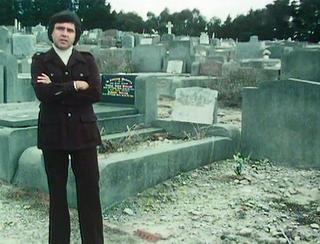
TV presenter Peter Luck describes the tragic details of the 1960 kidnapping, ransom demand and murder of 8-year-old Bondi boy, Graeme Thorne, whose parents had just won the lottery, in This Fabulous Century, Episode 4 - Crime. This excerpt outlines some of the groundbreaking and detailed forensic work that was undertaken to solve the case and find the young boy's murderer.
The Graeme Thorne case was significant for several reasons.
It was the first case of its kind in Australia; there had never been a kidnapping and ransom before and, prior to 1960, there was no statute for the crime of kidnapping. That changed very soon after the Thorne case.
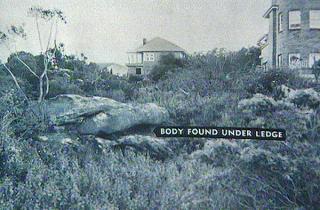
In terms of forensics, it was a pioneering case for Australian investigators that involved tracking down a particular blanket from manufacturer to point of sale, the identification of certain trees and dog hairs found on the blanket, finding a car seen by witnesses, identifying mould and mortar found on the boy's shoe, and other laborious tasks and techniques all performed prior to the technology that police enjoy today, such as computerised databases and DNA.
After the Thorne case was resolved, lottery winners were able to opt out of having their personal details published in the newspaper. Parents also kept a tighter rein on their children and kids were less likely to be left free to play unsupervised in bushland, parks and on the streets.
Luck clearly and concisely lays out the steps involved in finding and convicting the culprit. The excerpt makes very engaging use of archival footage, photographs, newspaper headlines and interviews with key figures from the investigation. It's a good example of seamless editing that effectively brings the story to life. Interviews are compellingly used to break down what was a complex investigation, and the segment is convincing in capturing the public sentiment surrounding the case as it played out.
This Fabulous Century (1979) was a documentary series consisting of 36 episodes, produced and presented by veteran journalist Peter Luck, which covered important historical events in Australia in the 20th Century.
TV presenter Peter Luck describes the tragic details of the 1960 kidnapping, ransom demand and murder of 8-year-old Bondi boy, Graeme Thorne, whose parents had just won the lottery, in This Fabulous Century, Episode 4 - Crime. This excerpt outlines some of the groundbreaking and detailed forensic work that was undertaken to solve the case and find the young boy's murderer.
The Graeme Thorne case was significant for several reasons.
It was the first case of its kind in Australia; there had never been a kidnapping and ransom before and, prior to 1960, there was no statute for the crime of kidnapping. That changed very soon after the Thorne case.
In terms of forensics, it was a pioneering case for Australian investigators that involved tracking down a particular blanket from manufacturer to point of sale, the identification of certain trees and dog hairs found on the blanket, finding a car seen by witnesses, identifying mould and mortar found on the boy's shoe, and other laborious tasks and techniques all performed prior to the technology that police enjoy today, such as computerised databases and DNA.
After the Thorne case was resolved, lottery winners were able to opt out of having their personal details published in the newspaper. Parents also kept a tighter rein on their children and kids were less likely to be left free to play unsupervised in bushland, parks and on the streets.
Luck clearly and concisely lays out the steps involved in finding and convicting the culprit. The excerpt makes very engaging use of archival footage, photographs, newspaper headlines and interviews with key figures from the investigation. It's a good example of seamless editing that effectively brings the story to life. Interviews are compellingly used to break down what was a complex investigation, and the segment is convincing in capturing the public sentiment surrounding the case as it played out.
This Fabulous Century (1979) was a documentary series consisting of 36 episodes, produced and presented by veteran journalist Peter Luck, which covered important historical events in Australia in the 20th Century.
- NFSA IDAZZV0G6G
- TypeTelevision
- MediumMoving Image
- FormSeries
- GenresHistorical
- Year1979
- SourcePeter Luck Productions
Need to license this item? A/V professionals and researchers can shortlist licensing enquiries via our NFSA Pro catalogue search and membership.
Collections to explore
Peter Luck



True crime


News bulletin
Start your own collection
A free Your Stuff account allows you to save, organise and share your favourite videos, audio and stories.


