Ella Caspers
1910

Ella Caspers
1910
- NFSA IDJNNY1TZ3
- TypeImage
- MediumDocumentation
- FormStill Image
- Year1910
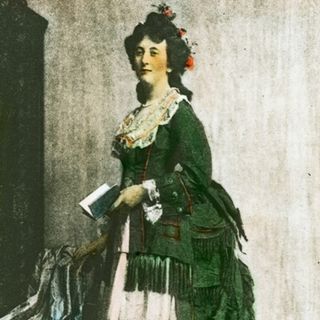
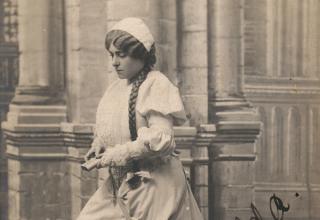
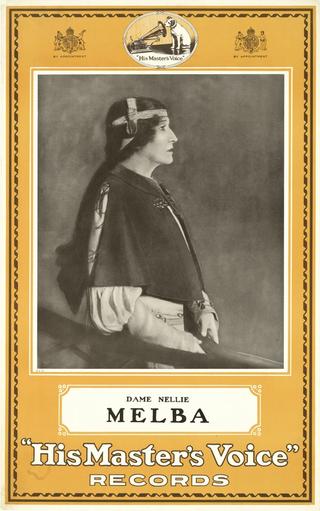
Ella Caspers, a contralto who was known as ‘the girl with the voice of gold’, was born in Albury, NSW in 1888. In 1902, she made her debut performance at age 14.
In 1908 Caspers was awarded a scholarship with the Royal Academy of Music in London and travelled to England the following year to take up the opportunity. In 1911, Caspers married a man who was soon after charged with bigamy.
She returned to Australia in 1914 to tour with her sister, Agnes Caspers. When the First World War broke out they were unable to return to Europe as planned.
Caspers married for a second time in 1921 and retired the following year but continued to perform in Australia until the 1950s.
Ella Caspers, a contralto who was known as ‘the girl with the voice of gold’, was born in Albury, NSW in 1888. In 1902, she made her debut performance at age 14.
In 1908 Caspers was awarded a scholarship with the Royal Academy of Music in London and travelled to England the following year to take up the opportunity. In 1911, Caspers married a man who was soon after charged with bigamy.
She returned to Australia in 1914 to tour with her sister, Agnes Caspers. When the First World War broke out they were unable to return to Europe as planned.
Caspers married for a second time in 1921 and retired the following year but continued to perform in Australia until the 1950s.
- NFSA IDJNNY1TZ3
- TypeImage
- MediumDocumentation
- FormStill Image
- Year1910
Need to license this item? A/V professionals and researchers can shortlist licensing enquiries via our NFSA Pro catalogue search and membership.
Collections to explore
Australian women
1910s

First Nations
Start your own collection
A free Your Stuff account allows you to save, organise and share your favourite videos, audio and stories.


