Didgeridoo in Ten Canoes
2006
Didgeridoo in Ten Canoes
2006
- NFSA IDWC1R7E4D
- TypeFilm
- MediumMoving Image
- FormFeature Film
- Duration1 hr, 27 mins
- GenresIndigenous themes or stories, Indigenous as subject
- Year2006
- WARNING: Aboriginal and Torres Strait Islander viewers are advised that the following program may contain images and/or audio of deceased persons
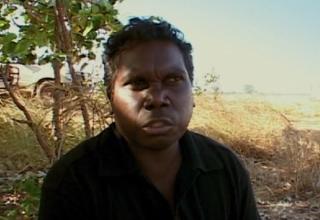
Ten Canoes (Rolf de Heer, 2006) follows the story of Dayindi (Jamie Gulpilil), a young Aboriginal warrior, as he wanders the wilderness hunting for eggs. The film showcases traditional Aboriginal languages and music, including non-diegetic didgeridoo cues that culturally and geographically correspond with the region where the narrative takes place and where the film was shot.
Typically, within an Australian cinematic context the didgeridoo functions as the dominant sonic signifier of Aboriginal culture, despite the great diversity and plurality of Aboriginal and Torres Strait Islander nations and cultures across the country, all of which have their own musical traditions and customs.
Rather than being fused into a typical generically ethnic sound, the didgeridoo in Ten Canoes connects directly with the characters. It is either controlled and played by the Aboriginal characters in the film or associated with the ancient Aboriginal history the story communicates.
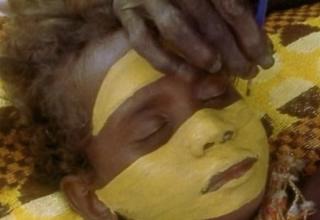
This particular clip features a black-and-white sequence in which the men prepare for a lunch of magpie-geese, cooked in the canoes on the swamp, before the narrator returns to the climax of the old story (seen in colour).
Ridjimiraril (Crusoe Kurddal) and his brother Yeeralparil (also Jamie Gulpilil) must stand and face the spears of another clan, in payback for Ridjimiraril’s crime.
This is one of the only sections of the film in which director Rolf de Heer abandons the matter-of-fact realism he has used throughout. We hear a didgeridoo and the two men become opaque, like ghosts, as they dance to avoid the spears.
The use of reverberation on the didgeridoo helps to achieve a sense that the colour story is set in the distant past.
- WARNING: Aboriginal and Torres Strait Islander viewers are advised that the following program may contain images and/or audio of deceased persons
Ten Canoes (Rolf de Heer, 2006) follows the story of Dayindi (Jamie Gulpilil), a young Aboriginal warrior, as he wanders the wilderness hunting for eggs. The film showcases traditional Aboriginal languages and music, including non-diegetic didgeridoo cues that culturally and geographically correspond with the region where the narrative takes place and where the film was shot.
Typically, within an Australian cinematic context the didgeridoo functions as the dominant sonic signifier of Aboriginal culture, despite the great diversity and plurality of Aboriginal and Torres Strait Islander nations and cultures across the country, all of which have their own musical traditions and customs.
Rather than being fused into a typical generically ethnic sound, the didgeridoo in Ten Canoes connects directly with the characters. It is either controlled and played by the Aboriginal characters in the film or associated with the ancient Aboriginal history the story communicates.
This particular clip features a black-and-white sequence in which the men prepare for a lunch of magpie-geese, cooked in the canoes on the swamp, before the narrator returns to the climax of the old story (seen in colour).
Ridjimiraril (Crusoe Kurddal) and his brother Yeeralparil (also Jamie Gulpilil) must stand and face the spears of another clan, in payback for Ridjimiraril’s crime.
This is one of the only sections of the film in which director Rolf de Heer abandons the matter-of-fact realism he has used throughout. We hear a didgeridoo and the two men become opaque, like ghosts, as they dance to avoid the spears.
The use of reverberation on the didgeridoo helps to achieve a sense that the colour story is set in the distant past.
- NFSA IDWC1R7E4D
- TypeFilm
- MediumMoving Image
- FormFeature Film
- Duration1 hr, 27 mins
- GenresIndigenous themes or stories, Indigenous as subject
- Year2006
- Production companyVertigo ProductionsProducersJulie Ryan and Rolf De HeerDirectorRolf De Heer
Need to license this item? A/V professionals and researchers can shortlist licensing enquiries via our NFSA Pro catalogue search and membership.
Collections to explore

2000s

First Nations Musicians
Arnhem Land
Start your own collection
A free Your Stuff account allows you to save, organise and share your favourite videos, audio and stories.


