Crossing Tracks - Harry’s War: Fighting for rights
2000
Crossing Tracks - Harry’s War: Fighting for rights
2000
- NFSA IDM4C7N1K3
- TypeFilm
- MediumMoving Image
- FormShort
- GenresIndigenous themes or stories, Indigenous as subject
- Year2000
- WARNING: Aboriginal and Torres Strait Islander viewers are advised that the following program may contain images and/or audio of deceased persons
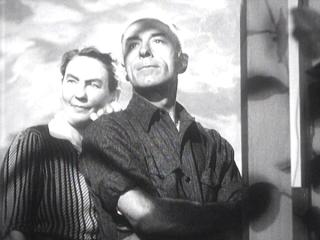
On the train, Harry Saunders (David Ngoombujarra) introduces himself to Thomas Green (Glenn Shea), his wife Maude (Kylie Belling) and daughter Sophia (Rose Kirby). Maude gets angry with Harry, and tells both men that black men fighting in the War won’t make any difference, and that there still won’t be equality.
Summary by Romaine Moreton
- WARNING: Aboriginal and Torres Strait Islander viewers are advised that the following program may contain images and/or audio of deceased persons
On the train, Harry Saunders (David Ngoombujarra) introduces himself to Thomas Green (Glenn Shea), his wife Maude (Kylie Belling) and daughter Sophia (Rose Kirby). Maude gets angry with Harry, and tells both men that black men fighting in the War won’t make any difference, and that there still won’t be equality.
Summary by Romaine Moreton
- NFSA IDM4C7N1K3
- TypeFilm
- MediumMoving Image
- FormShort
- GenresIndigenous themes or stories, Indigenous as subject
- Year2000
- Production companyGolden Seahorse ProductionsDirectorRichard J FranklandWriterRichard J FranklandCastKylie Belling, Peter Docker, Terry Gill, Rose Kirby, Sam Kirby, Bob Maza, David Ngoombujarra, Christina Saunders, Glenn Shea, Pauline Whyman
The Restriction of the Sale of Opium and Protection of Aboriginals Act from 1897 to 1971 positioned Aboriginal people as non-citizens in Australia, and while it is estimated that at least 3,000 Aboriginal men and women served in the Second World War, Aboriginal people were still being discriminated against in their homeland. Aboriginal diggers found themselves subjected to laws that vilified them in accordance with the Restriction of the Sale of Opium and Protection of Aboriginals Act from 1897 to 1971 even though they had fought for their country. However, the social injustice experienced by Aboriginal people was considered less important than defending the country against external threat.
Harry's War Synopsis
Harry Saunders (David Ngoombujarra) prepares to go to fight for his country in the Second World War, but his fight is also for the rights of the Indigenous people. Harry carries the hope that fighting for his country will make a difference for his family and his people; that fighting along side the white citizens of Australia will eventually help Indigenous people to win citizenship also.
Harry's War Curator's Notes
Harry Saunders goes to fight in the war with the hope that his participation will help win his people citizen’s rights and equality. Richard Frankland, writer and director of Harry’s Waris the third generation of Indigenous men to have served in the Australian army. Harry’s War was awarded the Jury Prize for Best Short Film at the Hollywood Black Film Festival in 2000.
‘When you have art you have voice, when you have voice you have freedom, with freedom of course comes responsibility.’
Appointed as senior advisor to the Royal Commission into Aboriginal Deaths in Custody at the age of 25, Richard Frankland’s experience as a field officer for the Royal Commission greatly influences his work as a filmmaker, musician and artist. Frankland has been a fisher, soldier, politician, and continues to be an important voice within the political landscape of Indigenous affairs. Frankland founded the Your Voice political party and vied for a Senate seat in the state of Victoria in 2004.
Frankland’s other films include No Way to Forget, After Mabo and Who Killed Malcom Smith. An experienced songwriter and musician he performs with the Charcoal Club, and has also written for the follow works theatre: Conversations with the Dead, No Way to Forget, Who Killed Malcolm Smith?
Other films in the AFC Indigenous Branch drama initiative Crossing Tracks (1999) are Saturday Night, Sunday Morning and Wind.
Notes by Romaine Moreton
Need to license this item? A/V professionals and researchers can shortlist licensing enquiries via our NFSA Pro catalogue search and membership.
Collections to explore

World War 2


Army

2000s
Start your own collection
A free Your Stuff account allows you to save, organise and share your favourite videos, audio and stories.


