The campaign that failed
1916
The campaign that failed
1916
- NFSA IDTEC12SRN
- TypeFilm
- MediumMoving Image
- FormAdvertisement (includes promotional)
- GenresSilent film
- Year1916
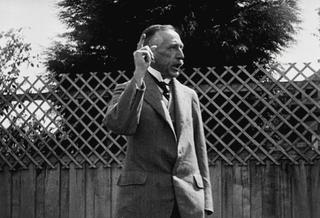
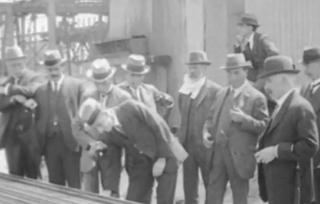
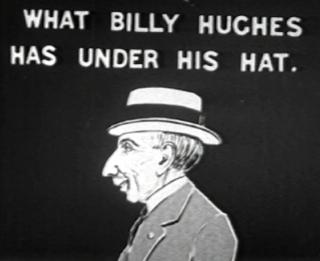
Conscription was introduced by law in New Zealand. However, Australians were able to vote on introducing conscription in a referendum in October 1916. This film was made as part of the Vote Yes campaign. It shows Prime Minister William Hughes presenting the pro-conscription case, followed by messages to vote 'Yes' from well known figures such as the martyred Nurse Cavell, King George V and France’s General Joffre. Despite these efforts, however, the campaign for conscription was narrowly defeated.
Military training for Australian men over 18 years of age had been compulsory since 1911, but there was no compulsion to enlist for duty when the First World War broke out in 1914. At that heady time, the rush to volunteer for the Australian Imperial Force (AIF) was so intense that recruitment officers were forced to turn people away. However, as the war dragged on, casualty rates increased and the number of volunteers declined. By 1916 the AIF faced a shortage of men and extensive advertising campaigns failed to change the trend.
Prime Minister William ‘Billy’ Hughes was a strong proponent of Australia’s participation in the war and became convinced that conscription was necessary. Despite opposition from his own ranks in the Labor Party, and furious debate in the Australian community, Hughes decided to take the issue to the people in a referendum, held on 28 October 1916.
This film is part of the official campaign for a ‘Yes’ vote. Like many politicians of his time, Hughes began his career speaking on soapboxes and street corners. Mass media communication was still very new and Hughes’s style sits rather uneasily in the motion picture format. The film nevertheless provides a valuable insight into political propaganda at the dawn of new media technology.
After the proposal for conscription was narrowly defeated, enlistment for the war continued to decline and Hughes held another referendum. On 20 December 1917 the nation again voted ‘No’, this time with a slightly larger majority. Australia and South Africa were the only participating countries not to introduce conscription during the First World War. This film is one of a collection of historical campaign films held at the NFSA on behalf of the Australian Labor Party.
Conscription was introduced by law in New Zealand. However, Australians were able to vote on introducing conscription in a referendum in October 1916. This film was made as part of the Vote Yes campaign. It shows Prime Minister William Hughes presenting the pro-conscription case, followed by messages to vote 'Yes' from well known figures such as the martyred Nurse Cavell, King George V and France’s General Joffre. Despite these efforts, however, the campaign for conscription was narrowly defeated.
Military training for Australian men over 18 years of age had been compulsory since 1911, but there was no compulsion to enlist for duty when the First World War broke out in 1914. At that heady time, the rush to volunteer for the Australian Imperial Force (AIF) was so intense that recruitment officers were forced to turn people away. However, as the war dragged on, casualty rates increased and the number of volunteers declined. By 1916 the AIF faced a shortage of men and extensive advertising campaigns failed to change the trend.
Prime Minister William ‘Billy’ Hughes was a strong proponent of Australia’s participation in the war and became convinced that conscription was necessary. Despite opposition from his own ranks in the Labor Party, and furious debate in the Australian community, Hughes decided to take the issue to the people in a referendum, held on 28 October 1916.
This film is part of the official campaign for a ‘Yes’ vote. Like many politicians of his time, Hughes began his career speaking on soapboxes and street corners. Mass media communication was still very new and Hughes’s style sits rather uneasily in the motion picture format. The film nevertheless provides a valuable insight into political propaganda at the dawn of new media technology.
After the proposal for conscription was narrowly defeated, enlistment for the war continued to decline and Hughes held another referendum. On 20 December 1917 the nation again voted ‘No’, this time with a slightly larger majority. Australia and South Africa were the only participating countries not to introduce conscription during the First World War. This film is one of a collection of historical campaign films held at the NFSA on behalf of the Australian Labor Party.
- NFSA IDTEC12SRN
- TypeFilm
- MediumMoving Image
- FormAdvertisement (includes promotional)
- GenresSilent film
- Year1916
Need to license this item? A/V professionals and researchers can shortlist licensing enquiries via our NFSA Pro catalogue search and membership.
Collections to explore
1910s


Army
Billy Hughes
Start your own collection
A free Your Stuff account allows you to save, organise and share your favourite videos, audio and stories.


