Australian Biography: Rosalie Kunoth-Monks
1996

Australian Biography: Rosalie Kunoth-Monks
1996
- NFSA IDCCEG6V3W
- TypeFilm
- MediumMoving Image
- FormSeries
- Duration26 mins
- GenresIndigenous themes or stories, Indigenous as subject
- Year1996
- WARNING: Aboriginal and Torres Strait Islander viewers are advised that the following program may contain images and/or audio of deceased persons
Until the age of nine, Rosalie Kunoth-Monks lived on remote Utopia Station in the Northern Territory where she learnt the Aboriginal laws of her tribe, the Anmatjere people.
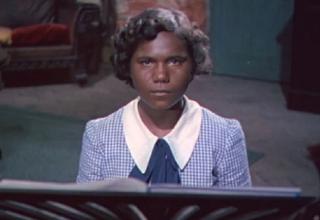
Her father insisted she attend school in Alice Springs, where in 1953 she was discovered by filmmakers Charles and Elsa Chauvel. Rosalie won the lead role in Jedda (1955), a film that became an Australian classic.
Filming took Rosalie away from the life she had known. Though for a year she was exposed to totally new and bewildering experiences, once production was completed she resumed her former life for a time.
Rosalie became increasingly attracted to the Anglican Church. In 1960 she moved to Melbourne, joined the Community of the Holy Name and became a nun. After 10 fulfilling years in the convent, Rosalie left to set up the first Aboriginal hostel in Victoria.
In 1970 she married, settled in Alice Springs and became involved in social work and politics. The then Northern Territory Chief Minister, Paul Everingham, appointed her an advisor on Aboriginal Affairs. Rosalie stood for election to the Northern Territory Legislative Assembly in 1979, in order to fight the proposed construction of a dam which threatened sacred land.
Although not elected, she continued to oppose the dam, which remained a hot issue for another decade. The issue was finally resolved in 1992 when plans for the dam were abandoned.
Rosalie returned to Utopia Station, where she continued to fight for the advancement of her community and her people.
- WARNING: Aboriginal and Torres Strait Islander viewers are advised that the following program may contain images and/or audio of deceased persons
Until the age of nine, Rosalie Kunoth-Monks lived on remote Utopia Station in the Northern Territory where she learnt the Aboriginal laws of her tribe, the Anmatjere people.
Her father insisted she attend school in Alice Springs, where in 1953 she was discovered by filmmakers Charles and Elsa Chauvel. Rosalie won the lead role in Jedda (1955), a film that became an Australian classic.
Filming took Rosalie away from the life she had known. Though for a year she was exposed to totally new and bewildering experiences, once production was completed she resumed her former life for a time.
Rosalie became increasingly attracted to the Anglican Church. In 1960 she moved to Melbourne, joined the Community of the Holy Name and became a nun. After 10 fulfilling years in the convent, Rosalie left to set up the first Aboriginal hostel in Victoria.
In 1970 she married, settled in Alice Springs and became involved in social work and politics. The then Northern Territory Chief Minister, Paul Everingham, appointed her an advisor on Aboriginal Affairs. Rosalie stood for election to the Northern Territory Legislative Assembly in 1979, in order to fight the proposed construction of a dam which threatened sacred land.
Although not elected, she continued to oppose the dam, which remained a hot issue for another decade. The issue was finally resolved in 1992 when plans for the dam were abandoned.
Rosalie returned to Utopia Station, where she continued to fight for the advancement of her community and her people.
- NFSA IDCCEG6V3W
- TypeFilm
- MediumMoving Image
- FormSeries
- Duration26 mins
- GenresIndigenous themes or stories, Indigenous as subject
- Year1996
- Writer/Director/ProducerFrank HeimansInterviewerRobin HughesDirector of PhotographyPaul Ree
Need to license this item? A/V professionals and researchers can shortlist licensing enquiries via our NFSA Pro catalogue search and membership.
Collections to explore

1990s

Jedda

First Nations Languages
Start your own collection
A free Your Stuff account allows you to save, organise and share your favourite videos, audio and stories.


