Aquarius Arts Festival, ANU – Wiley Reed and Bob Maza
1971
Aquarius Arts Festival, ANU – Wiley Reed and Bob Maza
1971
- NFSA ID9Q1GCQ8T
- TypeFilm
- MediumMoving Image
- FormDocumentary
- GenresExperimental
- Year1971
- WARNING: Aboriginal and Torres Strait Islander viewers are advised that the following program may contain images and/or audio of deceased persons
Filmmaker Phillip Noyce was tasked with recording the 1971 Aquarius Arts Festival held at the Australian National University in Canberra. Eight days and nights of eclectic programming are summarised in the resulting film entitled Good Afternoon.
Playing across two screens, the film was originally screened on a custom pair of interlocked projectors. The audience are left to decide what to focus on between the two sometimes conflicting, and sometimes complementary, channels.
Noyce adopted creative solutions to both stay within budget and escape traditional styles of documentary-making. He used both colour and cheaper black-and-white film stock, and was selective about what was captured over the 24-7 happenings taking place (Noyce would stand behind cinematographer Tom Cowan during interviews and tap him on the shoulder to start recording when something interesting came up).
On the split screen in Good Afternoon we see a range of simultaneous events, from a magic show by Geoff Crozier to a sea of people drenched in blue paint and the chants of Ian Channell, also known as the ‘Wizard of New Zealand’.
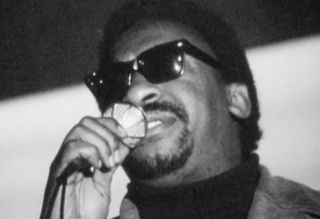
In this clip, American-born blues musician Wiley Reed is bookended by the powerful words of Aboriginal Australian activist, actor and playwright, Bob Maza.
Reed moved to Australia 4 years prior to Aquarius and had been performing with the likes of Billy Thorpe, Jeff St John and Phil Manning, as well as travelling to Vietnam to entertain troops.
Noyce’s clever pairing of Reed’s soulful performance with the interview reflects the climate of cultural change in the late 1960s and early 1970s, where the rights of Indigenous Australians, women, the queer community and people of colour were articulated and fought for by activists and protestors.
In Good Afternoon, Noyce also included footage of demonstrations that took place during the Aquarius festival and resulted in police arresting and charging 209 attendees.
The 58-minute-long film presents a cacophony of ideas and people, revealing the Aquarius festival to be a site for politics and protest as much as it was for performance and entertainment.
- WARNING: Aboriginal and Torres Strait Islander viewers are advised that the following program may contain images and/or audio of deceased persons
Filmmaker Phillip Noyce was tasked with recording the 1971 Aquarius Arts Festival held at the Australian National University in Canberra. Eight days and nights of eclectic programming are summarised in the resulting film entitled Good Afternoon.
Playing across two screens, the film was originally screened on a custom pair of interlocked projectors. The audience are left to decide what to focus on between the two sometimes conflicting, and sometimes complementary, channels.
Noyce adopted creative solutions to both stay within budget and escape traditional styles of documentary-making. He used both colour and cheaper black-and-white film stock, and was selective about what was captured over the 24-7 happenings taking place (Noyce would stand behind cinematographer Tom Cowan during interviews and tap him on the shoulder to start recording when something interesting came up).
On the split screen in Good Afternoon we see a range of simultaneous events, from a magic show by Geoff Crozier to a sea of people drenched in blue paint and the chants of Ian Channell, also known as the ‘Wizard of New Zealand’.
In this clip, American-born blues musician Wiley Reed is bookended by the powerful words of Aboriginal Australian activist, actor and playwright, Bob Maza.
Reed moved to Australia 4 years prior to Aquarius and had been performing with the likes of Billy Thorpe, Jeff St John and Phil Manning, as well as travelling to Vietnam to entertain troops.
Noyce’s clever pairing of Reed’s soulful performance with the interview reflects the climate of cultural change in the late 1960s and early 1970s, where the rights of Indigenous Australians, women, the queer community and people of colour were articulated and fought for by activists and protestors.
In Good Afternoon, Noyce also included footage of demonstrations that took place during the Aquarius festival and resulted in police arresting and charging 209 attendees.
The 58-minute-long film presents a cacophony of ideas and people, revealing the Aquarius festival to be a site for politics and protest as much as it was for performance and entertainment.
- NFSA ID9Q1GCQ8T
- TypeFilm
- MediumMoving Image
- FormDocumentary
- GenresExperimental
- Year1971
- FilmmakerPhillip Noyce
Need to license this item? A/V professionals and researchers can shortlist licensing enquiries via our NFSA Pro catalogue search and membership.
Collections to explore
Phillip Noyce
Canberra

Soul, funk and blues music
Start your own collection
A free Your Stuff account allows you to save, organise and share your favourite videos, audio and stories.


